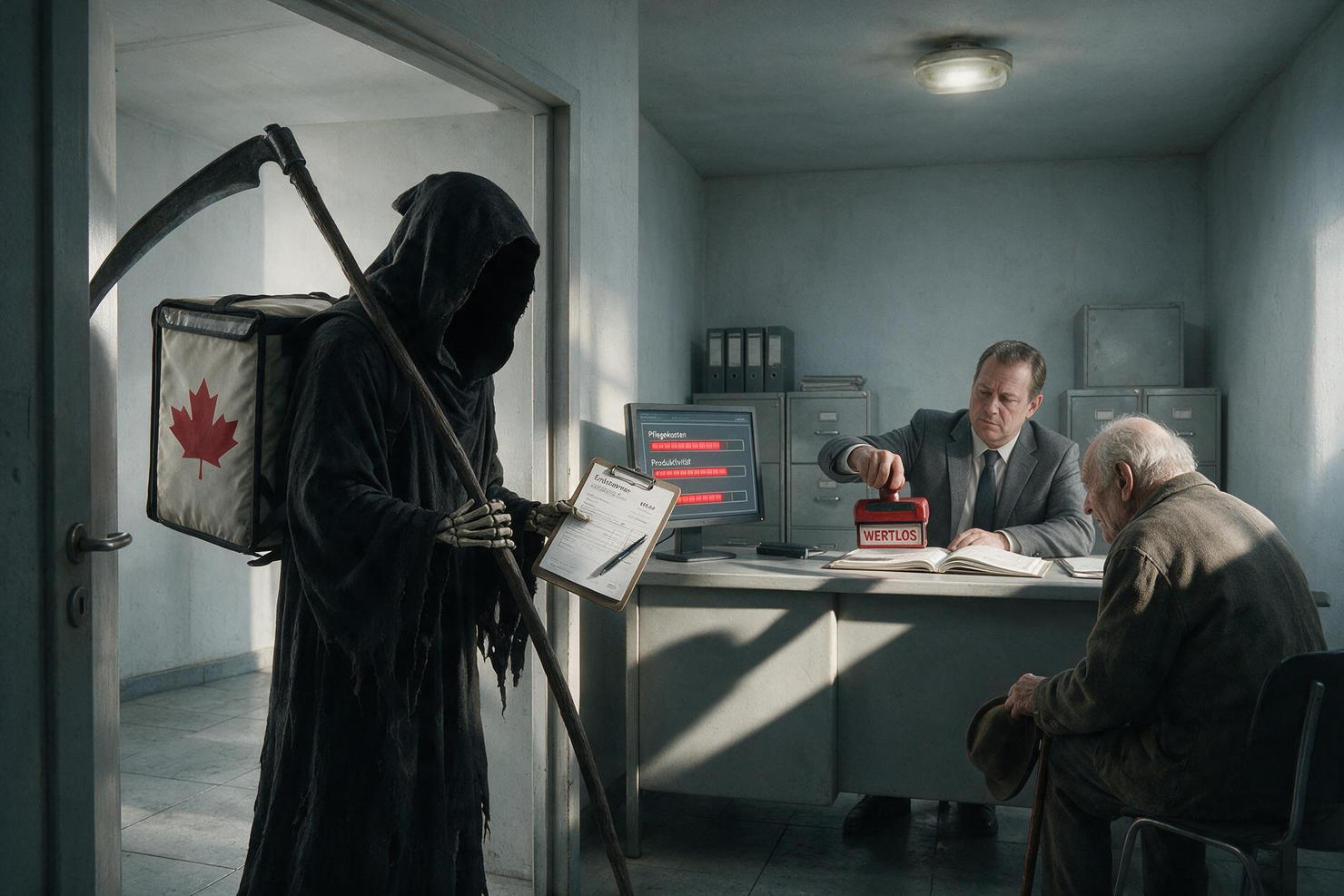
In Canada, a 26-year-old buys his lethal medication at the pharmacy counter, has himself killed at a funeral home, and the death certificate lists a diagnosis his family cannot find in any medical records. At the same time, doctors are proposing in one of the world's most prestigious medical journals that those wishing to die should in the future be killed by organ harvesting. And while Canada tests the next stages of its assisted suicide program, Europe is enacting its own laws – France ratified its legislation a week ago. The pilot market is delivering, and the branches are opening.
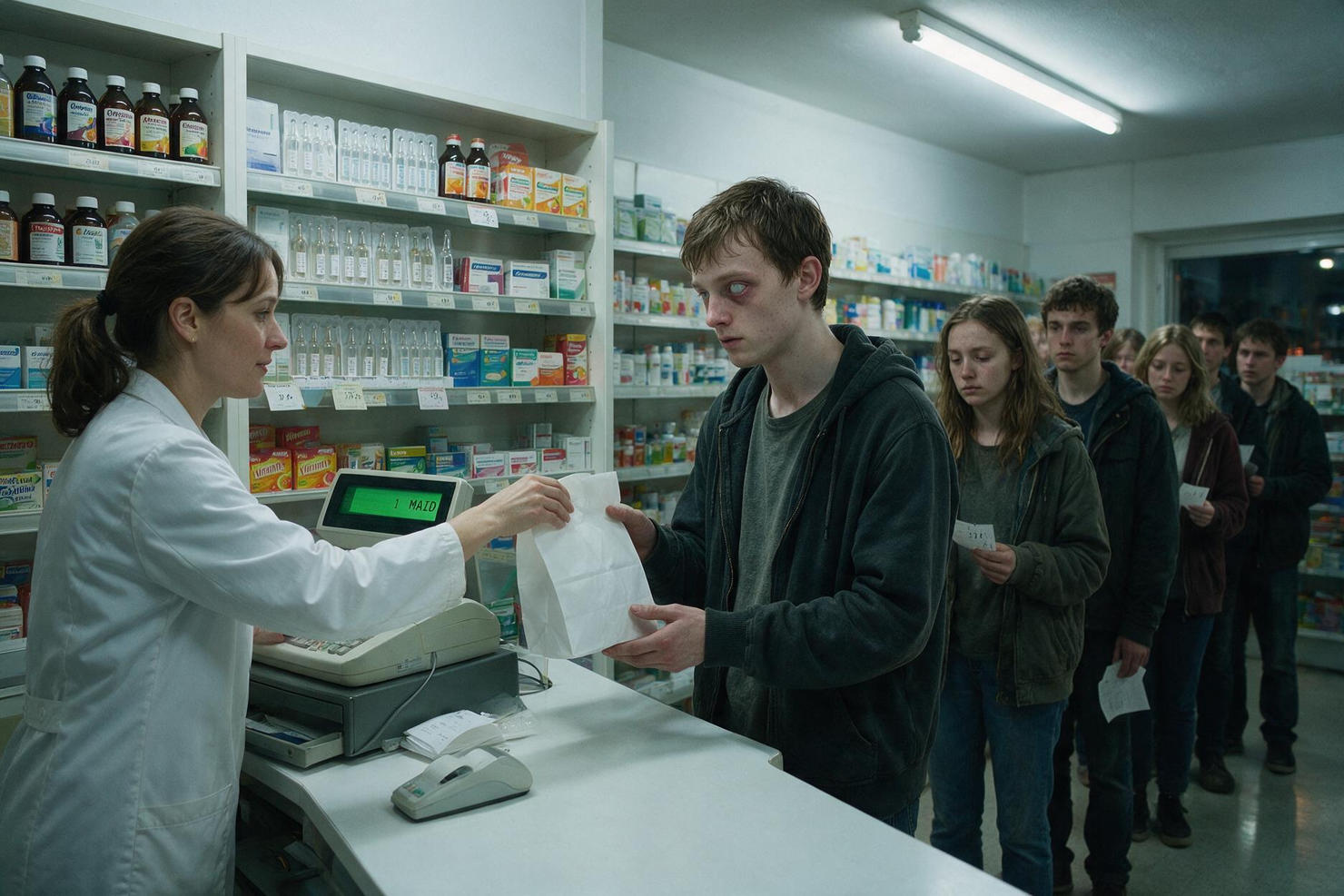
The customer is dead, king.
Kiano Vafaeian from Ontario was 23, diabetic since the age of four, blind in one eye in April 2022 and severely depressed when a doctor at the Toronto facility MAiDHouse scheduled him for euthanasia in 2022 – his mother discovered the appointment by chance. She called the doctor, posing as a prospective patient, and had the procedure explained to her "from A to Z".Only public pressure caused the doctor to withdraw. Three years later, the reprieve was over: After several doctors in Ontario had declined, Vafaeian found a willing hand in Vancouver and filled the form on December 11, 2025. He obtained his prescriptions for sedatives, narcotics, and muscle relaxants from a pharmacy. – for a few hundred dollars, receipted like a cough syrup, including the line item "1 MAID" – and died on December 30th at the Koru Cremation funeral home. There are no shortcuts: The customer delivers himself directly to the crematorium. Purely psychological illnesses will only be eligible for approval starting in 2027, so the paperwork involved physical diagnoses: The death certificate lists blindness, diabetes, and severe nerve damage – According to the parents, the latter does not appear in any medical records.The family only learned of their son's death days later and accuses the doctor of having essentially coached him on what to say to get through platform 2. The parents have since demanded the complete removal of this platform and sum up their argument in a single sentence: If MAiD didn't exist in Canada, their son would still be alive today.
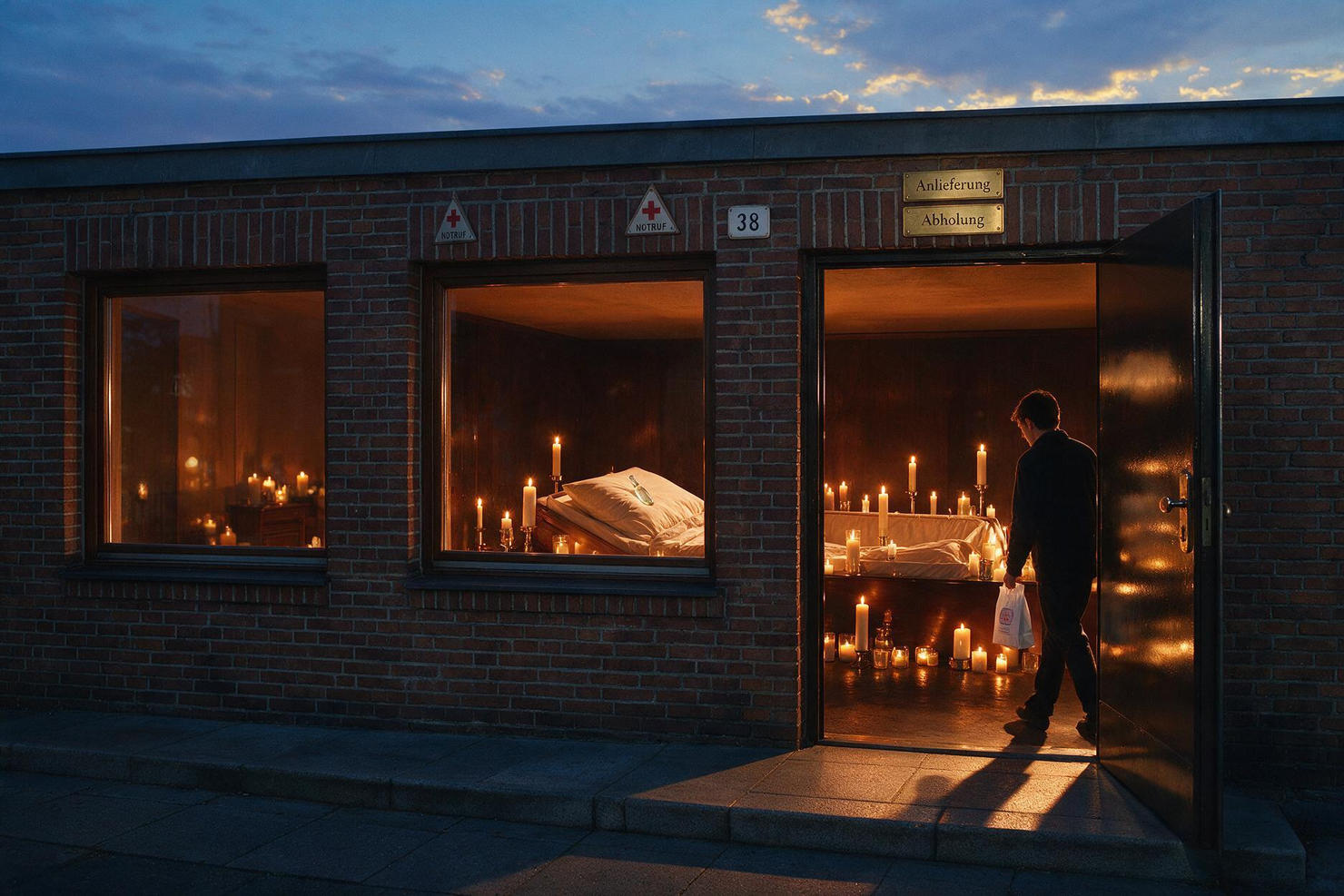
The record holder from Vancouver
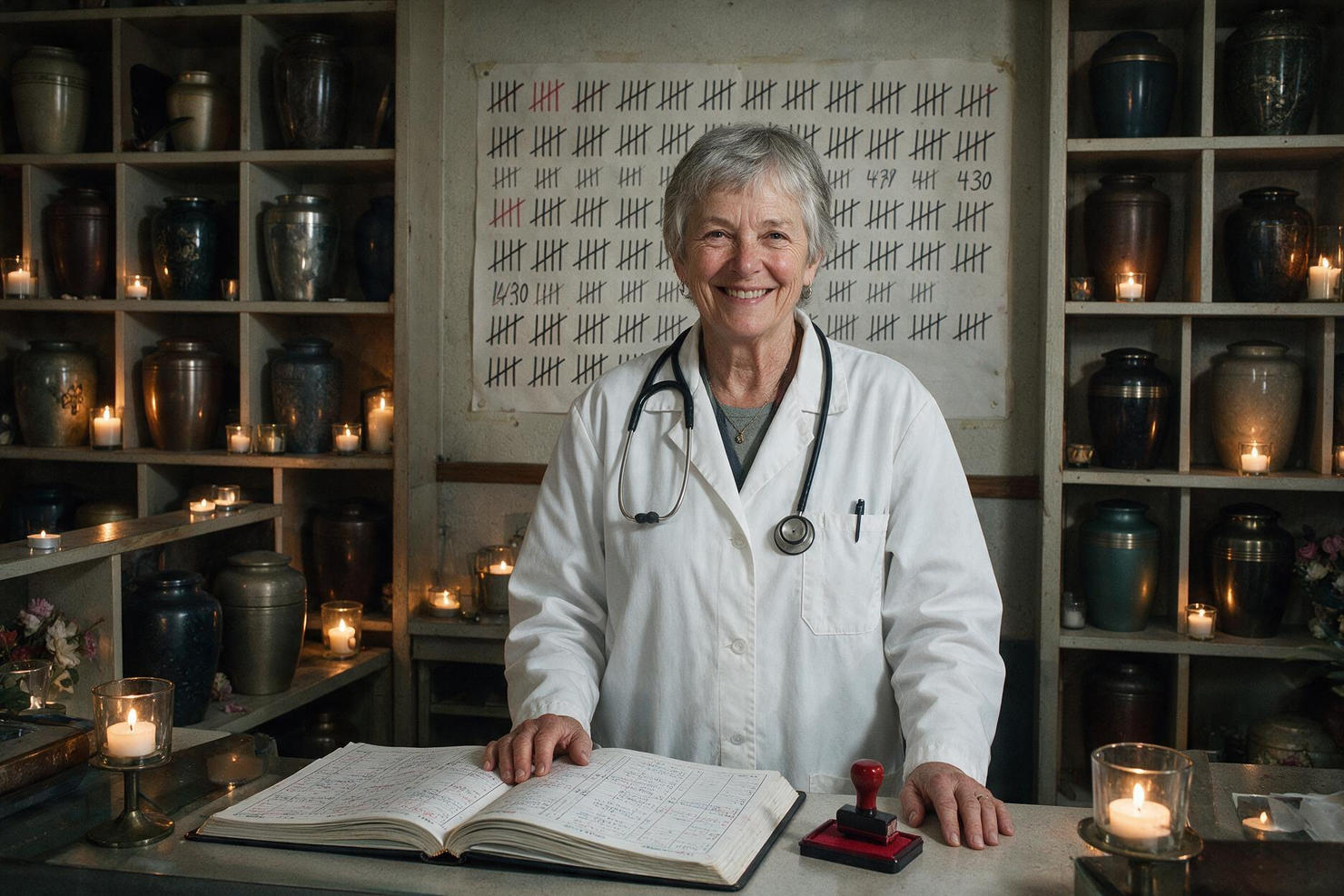
This doctor is not unknown: Ellen Wiebe, professor, advisor to the euthanasia lobby Dying with Dignity, and after by his own admission responsible for more than 430 ended livesTheir business model is the last resort for those rejected: If no doctor at home will euthanize you, you fly to Vancouver. As early as October 2024, a judge had to to prevent it at the last minute by means of a preliminary injunctionThat Wiebe killed a 53-year-old woman from Alberta whose suffering was purely psychological – authorized after a single meeting, without consulting her treating physicians; the judge spoke of imminent "extreme, irreparable harm." Consequences? The operating company of her clinic. He subsequently forbade his own staff from appearing as witnesses in Wiebe's cases. – Note: This refers to the staff, not the doctor. A year later, Vafaeian stood before the same door, and this time no judge intervened.
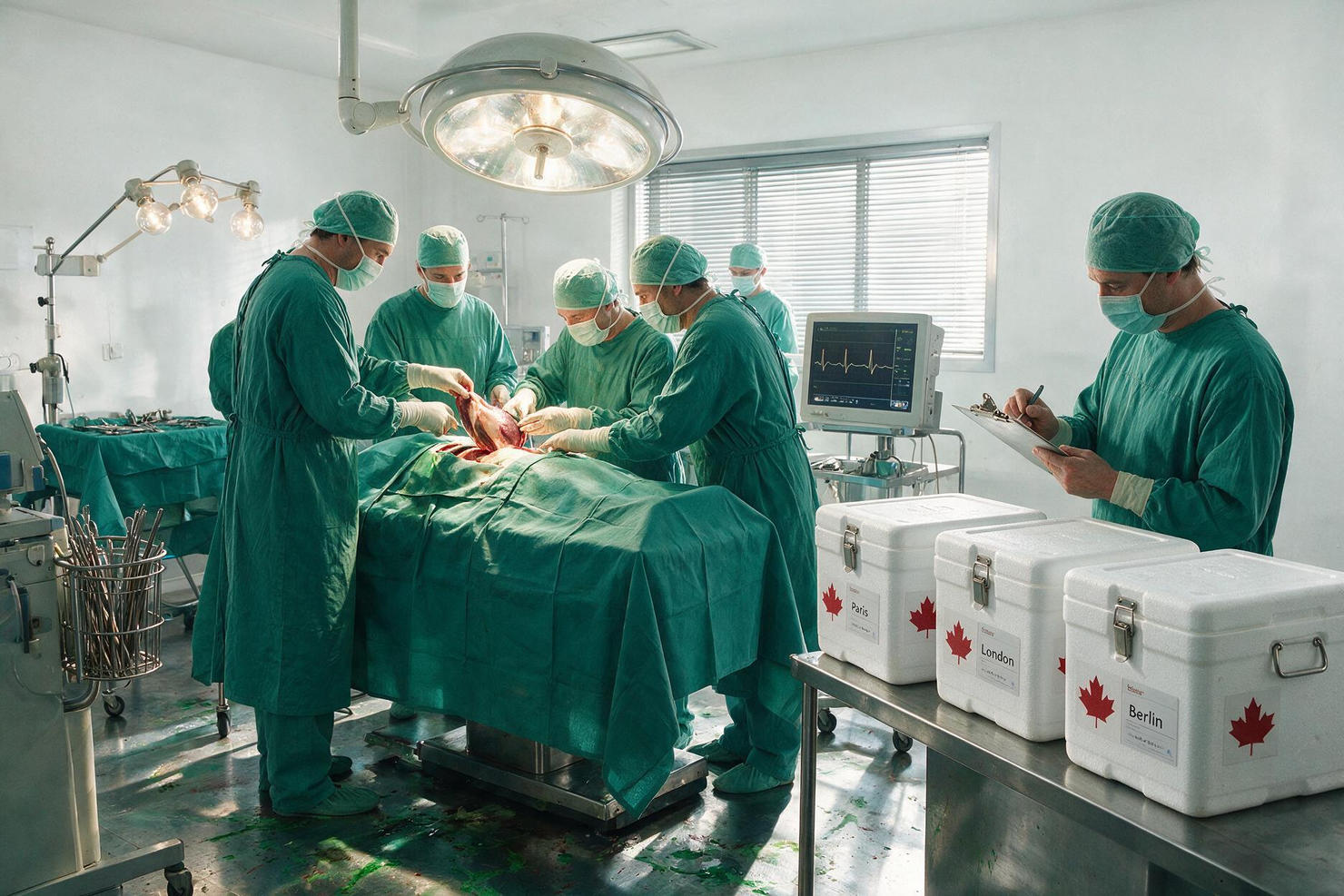
When the extraction becomes the cause of death
For those who still haven't had enough, the scientific community delivers the next act: In July 2026, an article entitled "..." appeared in the New England Journal of Medicine. «Contextualizing the Dead Donor Rule in an Era of Voluntary Euthanasia» Two of the three authors conduct their research at the University of London, Ontario, the very city where Roger Foley has been fighting for his life for a decade. Their proposal is called "Death by Organ Donation": Instead of killing and disemboweling those wishing to die, the surgical organ removal itself should be the act of killing – fresher material, better utilization. The ironclad rule that donors must be dead before organ removal needs to be "recontextualized" in the age of voluntary euthanasia; the exact moment of biological death is no longer so important. For the patient, the authors argue, it makes no difference whether death occurs moments before or during the removal. True. For the patient, nothing ever changes; that's inherent in the process. Anyone who thinks this is a slip of the tongue should read on: Years ago, the Canadian Medical Journal provided guidelines for organ donation from euthanized non-terminally ill patients.The slaughterhouse is not invented, it is merely equipped more efficiently.
Europe orders the blueprint
And exports are running like clockwork. France has its Law on the "right to assistance in dying" promulgated on August 18, 2026 – Assisted suicide and euthanasia in one package, pushed through by the National Assembly, after the Senate had rejected the proposal three timesIf the second chamber says no three times and the bill still passes, you know how urgently someone wanted to deliver. Great Britain follows suit: The House of Commons He waved through his euthanasia bill in 2025, the Lords ran away from the proposal, and it was immediately reintroduced in June 2026. —and on the second attempt, the Lords can no longer block it by Act of Parliament. What There was nothing to say about this British lawIt's already been written. All these laws start like Canada in 2016: only terminally ill patients, only voluntary participation, strictest safeguards. Canada shows what becomes of such promises in ten years – a pharmacy receipt, a funeral home, and a death certificate with a fictitious diagnosis. The safeguards aren't walls, they're construction phases. Anyone who wants to know where Paris and London are headed only needs to look at Vancouver. First, trust dies, then the patient, and in the end, the system cashes in – with the organs thrown in as a bonus!
More for you:





 "Dravens Tales from the Crypt" has been enchanting for over 15 years with a tasteless mixture of humor, serious journalism - for current events and unbalanced reporting in the press politics - and zombies, garnished with lots of art, entertainment and punk rock. Draven has turned his hobby into a popular brand that cannot be classified.
My blog was never designed to spread news, let alone get political, but with current affairs I just can't help but capture information here that is otherwise censored on all other channels. I am aware that the design page may not seem "serious" to many in this regard, but I will not change this to please the "mainstream". Anyone who is open to non-state-compliant information sees the content and not the packaging. I've tried enough to provide people with information over the last 2 years, but quickly noticed that it never matters how it's "packaged", but what the other person's attitude towards it is. I don't want to put honey on anyone's mouth to meet expectations in any way, so I'll keep this design because hopefully at some point I'll be able to stop making these political statements, because it's not my goal to go on like this forever  I leave it up to everyone how they deal with it. However, you are welcome to simply copy and distribute the content, my blog has always been under the WTFPL license.
It's hard for me to describe what I'm actually doing here, DravensTales has become a culture blog, music blog, shock blog, tech blog, horror blog, fun blog, a blog about found items on the internet, internet bizarre, trash blog, art blog, water heater, zeitgeist blog over the years , Scrap blog and grab bag blog called. Everything that is right ... - and yet not. The main focus of the blog is contemporary art, in the broadest sense of the word.
To ensure the continued operation of this site, you are welcome to make a donation via credit card, PayPal, Google Pay, Apple Pay, or direct debit/bank account . Many thanks to all readers and supporters of this blog!