
A German director, whom the industry has considered "the worst filmmaker in the world" for twenty years, is now making a film about migrant crime, of all things, receiving two "No Rating" ratings from the FSK (German film rating board) , shouting "Censorship," and promptly releasing the film for free on Elon Musk's X. Anyone expecting a daring, taboo-breaking work here hasn't reckoned with Uwe Boll. Boll was never an artist with a message. Boll is an accountant with a camera, and he can smell a market faster than an FSK committee can stamp a film "18+".
The old game of using loss as a business model
Anyone wanting to know what Boll is about doesn't even need to watch the new film; a look at his business model is enough. From the year 2000 onwards, he financed his productions through... self-funded media funds and a German tax loophole, which allowed wealthy investors to to write off the entire production costs from taxesIn other words: The more expensive and spectacularly a film flopped, the better the return on investment. Boll revealed this in the DVD commentary for "Alone in the Dark". even fromAnyone who invested in a film in Germany "basically gets fifty percent back from the state." A model in which quality was not only superfluous, but actually a hindrance.
To this end, he bought up a string of well-known video game franchises : "House of the Dead," "Alone in the Dark," "BloodRayne"—cheap licenses that the publishers hadn't invested in, garnished with big-name actors like Ben Kingsley and Jason Statham. The brand drew in the audience, the media fund drew in the money, and whether the end result was a film or a complete disaster was of secondary importance from a business perspective. Boll didn't outsmart the system because he loved cinema. He outsmarted it because he could do the math.
New license, same reflex
In 2006, lawmakers closed the loophole, DVDs died, streaming services paid handouts, and businessman Boll sought a new license. This time, he's not buying a video game name; this time, he's reaching for something far more valuable: an audience that has felt ignored, lectured, and unprotected for years.
This feeling is not unfounded. When a court convicts nine men of gang rape and sends eight of them home with probation, the anger is real and deep-seated. This isn't a "greedy public," as Boll condescendingly calls his own audience, but rather people with the justified impression that the state prefers to explain to them why lenient sentences are justified instead of protecting them. Anyone who dismisses this distrust as mere rabble-rousing hasn't been paying attention in recent years.
Boll sensed precisely this gap. Where once the "BloodRayne" logo lured genre fans into theaters, today it's the promise of finally saying what supposedly no one is allowed to say anymore. It's already his third film of this kind, the capstone of a trilogy he has boldly titled "Germany in Winter." Even the casting follows this logic: The lead role is played by Armie Hammer, who for years has been hawked by the press less for his films than for his private scandals—a name that guarantees headlines before the first review is even written. The subject matter has changed, but the reflex remains the same: Take what a large, frustrated mass is thirsting for and cash in before anyone notices.
The lightning rod that nobody ordered
This is where things get ugly. A serious issue—juvenile criminal law, probation practices, and the tarnished sense of security—deserves an advocate who doesn't drown it in a Boll film. Anyone who wants to discuss lenient sentences shouldn't hand the topic over to someone whose technical skills remain notoriously abysmal and whose filmography is a regular fixture on lists of the worst films of all time.
Because what happens? The debate shrinks to the film, the film shrinks to its most pathetic effect, and suddenly a real problem has become a Boll scandal, which can conveniently be shoved into the right-wing corner and disposed of there. Boll hands the opponents of the issue a perfect opportunity: Look, this is what those who "want to talk about migrant crime" look like. Thanks for nothing.
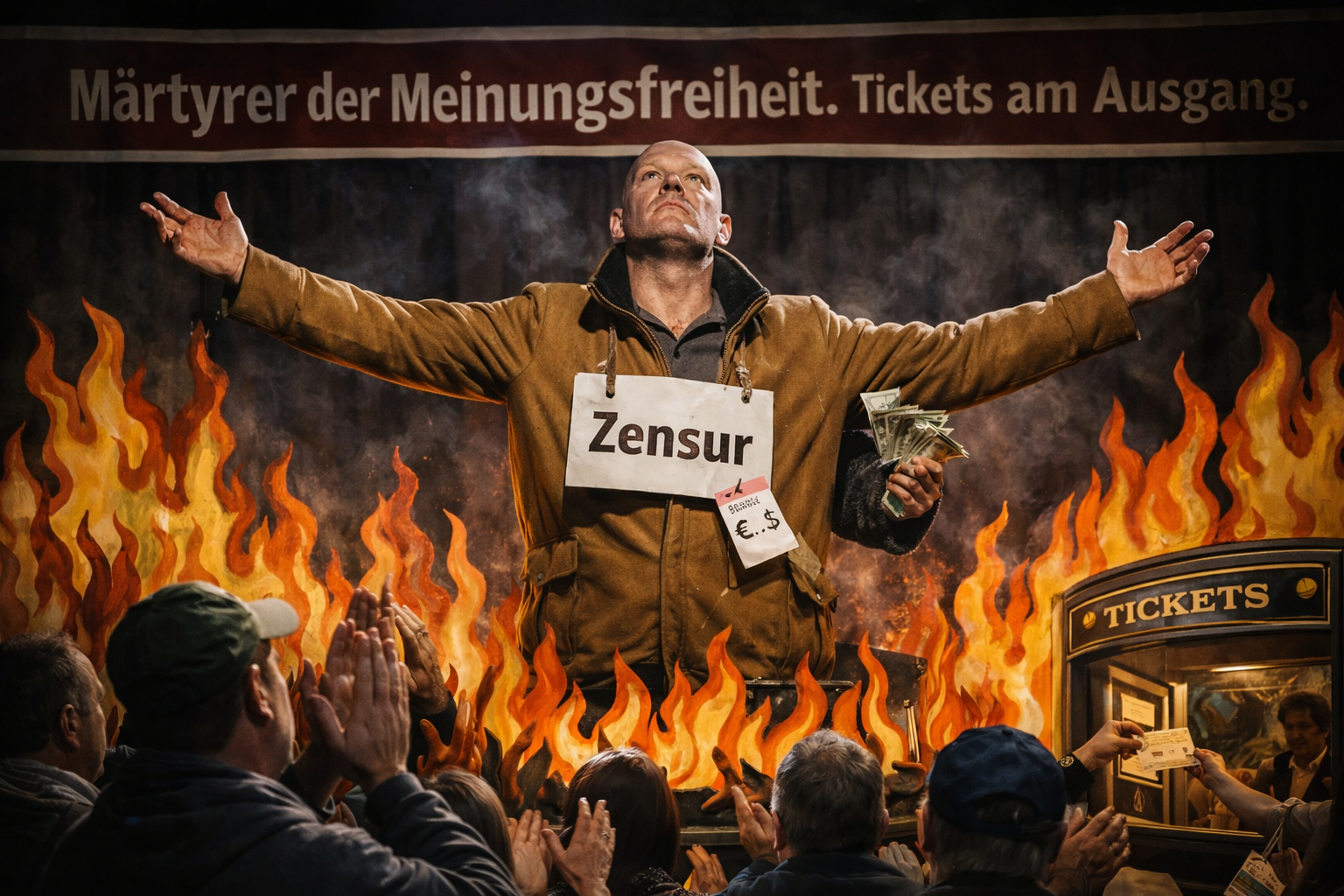
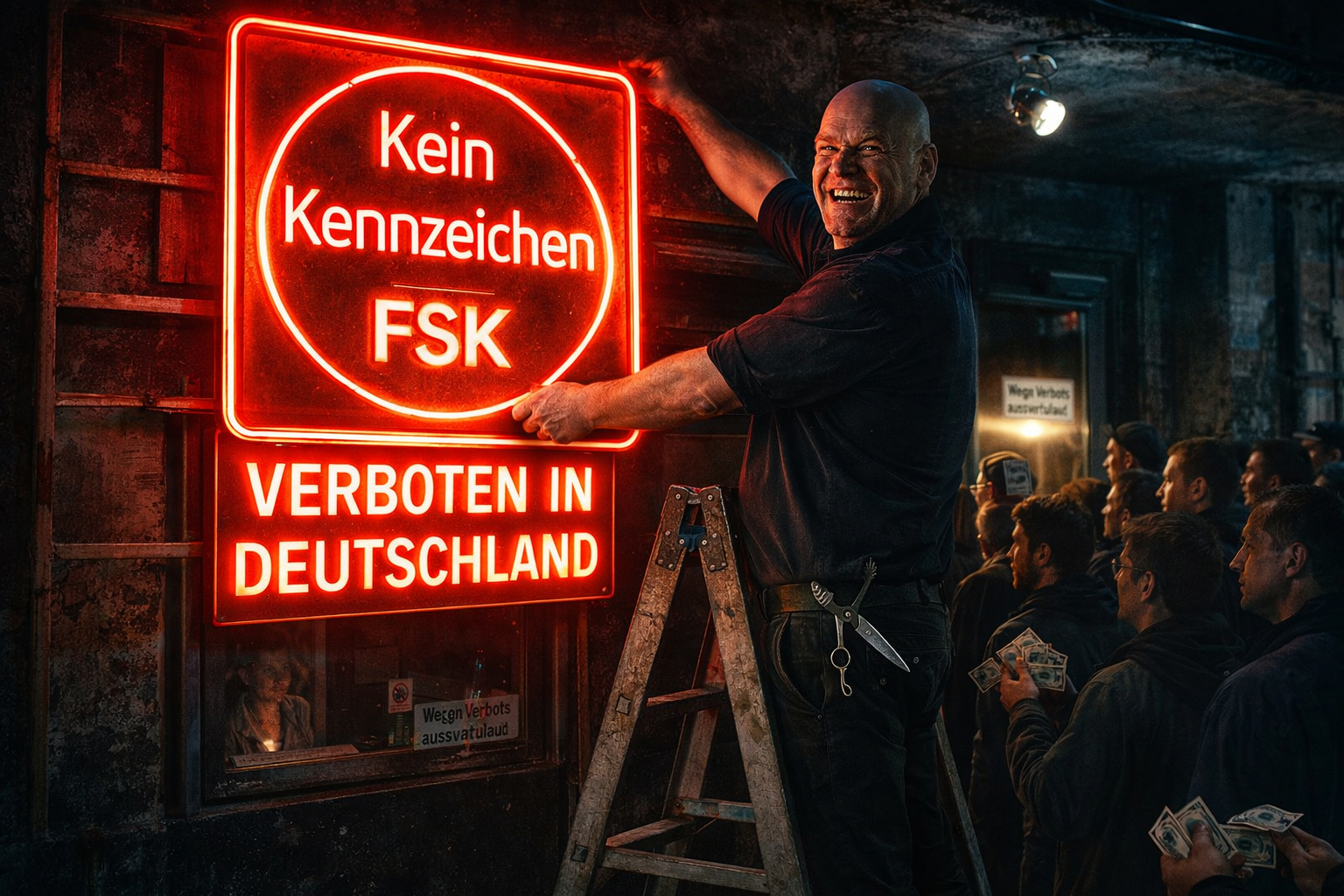
And then the censorship outcry. Of course, the FSK (German film rating board) mechanism is debatable, of course it's grotesque when a handful of committee members effectively determine what millions of adults are allowed to see. Every argument about genuine freedom of expression and artistic freedom is worthwhile. But Boll is the worst possible witness, because he knows perfectly well that the ban is the best kind of publicity money can't buy. He himself calls the lack of a rating the loss of a "refinancing component" and recoups the lost box office revenue through the attention-grabbing tsunami of the free premiere on X. Censorship as a marketing department. You have to give him credit, the man doesn't waste a single crisis.
Uwe Boll isn't concerned with Hamburg, not with suspended sentences, not with the woman who has to die in the first scene so that the audience arrives with the right amount of anger. He's concerned with what he's always been concerned with: business.
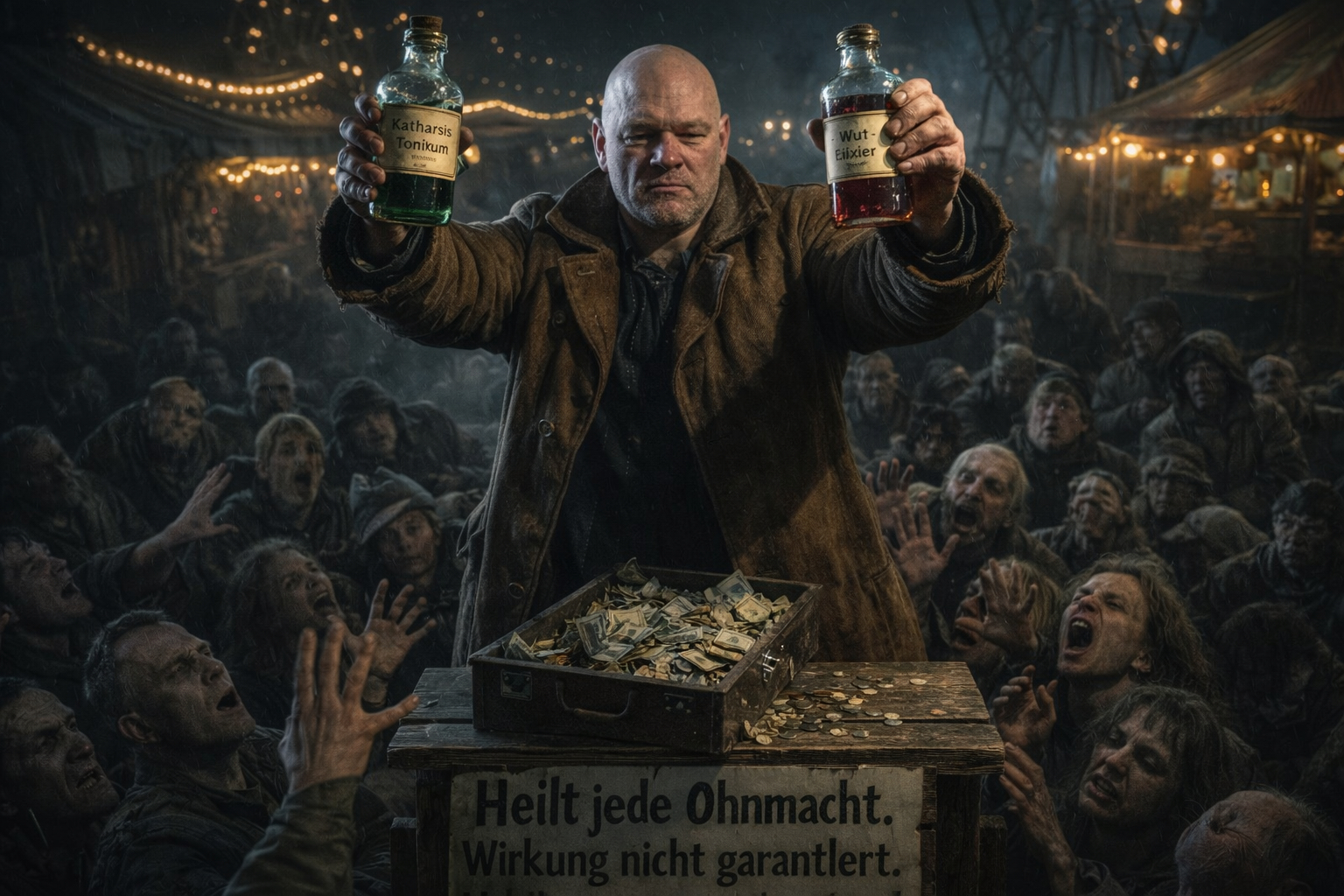
He didn't make a drama about judicial failure, but rather a film targeting a specific audience. He sells the frightened their own powerlessness back to them as catharsis and calls the result courage. In the end, there's no debate won, but a piece of work that so utterly discredits a legitimate concern that its opponents should be sending him flowers. Uwe Boll damages the cause more than any FSK (German film rating board) ever could, and yet he allows himself to be celebrated as a martyr of free speech!
More for you:






 "Dravens Tales from the Crypt" has been enchanting for over 15 years with a tasteless mixture of humor, serious journalism - for current events and unbalanced reporting in the press politics - and zombies, garnished with lots of art, entertainment and punk rock. Draven has turned his hobby into a popular brand that cannot be classified.
My blog was never designed to spread news, let alone get political, but with current affairs I just can't help but capture information here that is otherwise censored on all other channels. I am aware that the design page may not seem "serious" to many in this regard, but I will not change this to please the "mainstream". Anyone who is open to non-state-compliant information sees the content and not the packaging. I've tried enough to provide people with information over the last 2 years, but quickly noticed that it never matters how it's "packaged", but what the other person's attitude towards it is. I don't want to put honey on anyone's mouth to meet expectations in any way, so I'll keep this design because hopefully at some point I'll be able to stop making these political statements, because it's not my goal to go on like this forever  I leave it up to everyone how they deal with it. However, you are welcome to simply copy and distribute the content, my blog has always been under the WTFPL license.
It's hard for me to describe what I'm actually doing here, DravensTales has become a culture blog, music blog, shock blog, tech blog, horror blog, fun blog, a blog about found items on the internet, internet bizarre, trash blog, art blog, water heater, zeitgeist blog over the years , Scrap blog and grab bag blog called. Everything that is right ... - and yet not. The main focus of the blog is contemporary art, in the broadest sense of the word.
To ensure the continued operation of this site, you are welcome to make a donation via credit card, PayPal, Google Pay, Apple Pay, or direct debit/bank account . Many thanks to all readers and supporters of this blog!








