
The International Energy Agency (IEA), based in Paris, acts as the primary global energy regulator. Although not a government, its 31 member states—including the United States, Australia, and much of Europe—are bound by a 1974 treaty to follow its recommendations in times of crisis. When the IEA officially declared a global energy emergency on March 11, 2026, it triggered a "Collective Action" that obligates member countries to activate pre-planned demand-response measures. These plans essentially serve as a toolkit for governments to manage fuel shortages by dictating how and when their citizens may use energy.
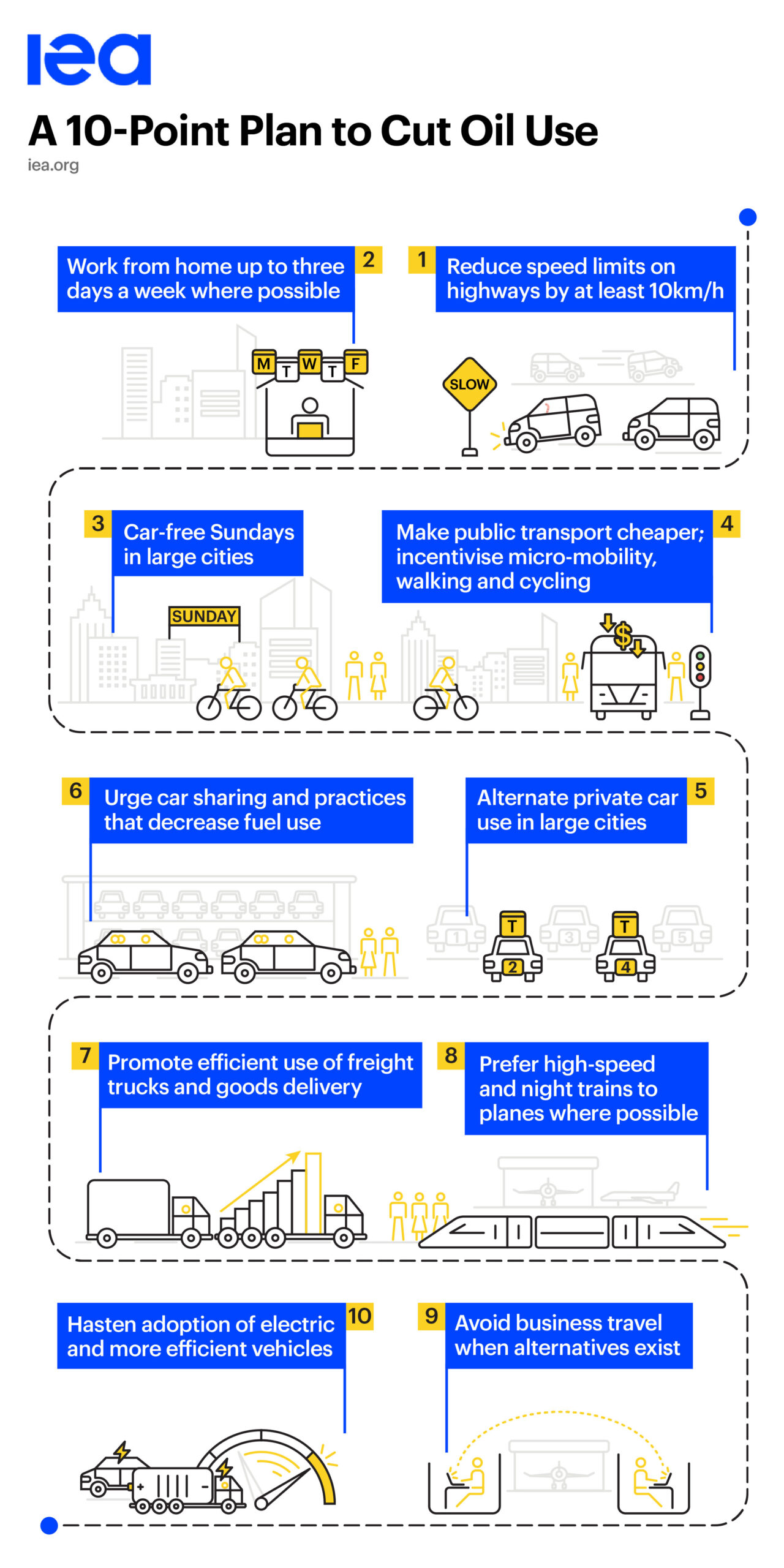
This ten-point plan is currently being introduced under the guise of the Middle East conflict, but the similarities to previous global crises are undeniable. Officials and commentators are already referring to them as "COVID-like" protocols, using the same language of emergency and collective sacrifice that characterized the 2020 lockdowns. The measures include license plate recognition to restrict road traffic, fines for driving on unauthorized days, and even regulations on "modern cooking appliances." Critics argue that these are not temporary solutions to a war, but rather the next phase of a long-planned transformation toward the "Great Reset" and Agenda 2030. They contend that a real energy shortage is being used to enforce a control network that would otherwise have been rejected.
The ten specific points that governments should follow are:
1. Reduce speed limits on motorways by at least 10 km/h.
2. If possible, work from home up to three days a week.
3. Car-free Sundays in major cities.
4. Make public transport more affordable and create incentives for walking and cycling.
5. Alternative access for private vehicles to streets in major cities through license plate rotation.
6. Form more carpools and use fuel-saving driving techniques.
7. Promoting an efficient driving style for trucks and goods deliveries.
8. Whenever possible, use high-speed trains and night trains instead of airplanes.
9. Avoid unnecessary business trips by plane and use virtual meetings instead.
10. Promote the introduction of electric vehicles and more efficient vehicles.
The infrastructure for this control is being built right before our eyes through "smart city" technologies. In cities like Melbourne, which experienced some of the longest lockdowns in the world, experimental models were developed to explore how temporary restrictions can morph into a permanent lifestyle of reduced freedom of movement and digital surveillance. This is now being combined with ubiquitous license plate recognition and smart meters that can remotely shut off a home's air conditioning. By switching the population from independent energy sources like wood or gas to a standardized electricity system, authorities are given an "emergency off switch" for everyday life that is significantly easier to monitor and regulate than traditional fuels.
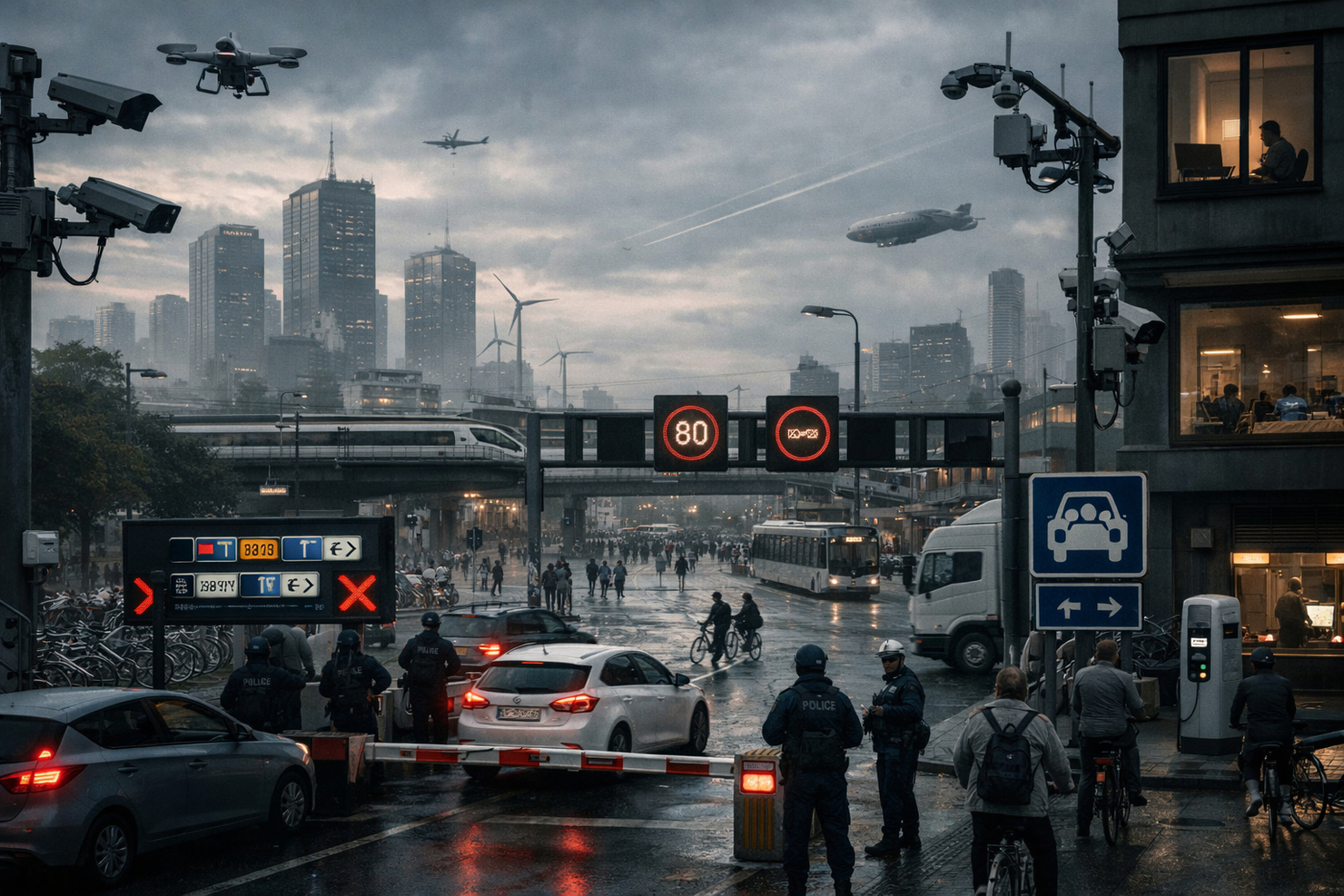
The push for "modern cooking solutions" and industrial flexibility illustrates how deeply this control extends into private life. The IEA specifically calls for a switch from liquefied petroleum gas (LPG) to electric cooking and modern heating systems, thereby centralizing energy and bundling it in a more controllable grid. It is also pressuring industry to convert its chemical raw materials from LPG to other sources in order to ensure supply exclusively for "essential purposes." This means that the state, not the market, will decide which companies are allowed to operate based on their energy efficiency and compliance with climate neutrality targets by 2050.
In the United States, the groundwork for these measures has already been laid. On January 12, 2026, President Trump officially extended the “National Energy Emergency” (Executive Order 14156). This order grants the president extraordinary powers to address threats to the economy and national security. Although he had previously discussed the idea of shorter workweeks publicly as a means of “realigning” federal employees and increasing efficiency, this measure is now a central component of the IEA’s emergency plan. Regardless of whether employee flexibility was initially the primary focus, the mechanism now exists to mandate four-day workweeks or working from home as a “patriotic” energy-saving measure during the current crisis.
The transition from "recommended" to "mandatory" is no longer theoretical, but a reality in several countries. For example, Sri Lanka implemented nationwide fuel rationing via QR code in March 2026, and Pakistan has mandated a four-day workweek for civil servants and employees in both the public and private sectors. In the US, the phase typically begins with the government releasing strategic oil reserves—such as this month's record release of 400 million barrels—and urging businesses to limit travel and commuting. However, should energy supplies remain unstable through the summer of 2026, the executive branch has the legal authority, under the Defense Production Act and existing emergency decrees, to make these recommendations mandatory.
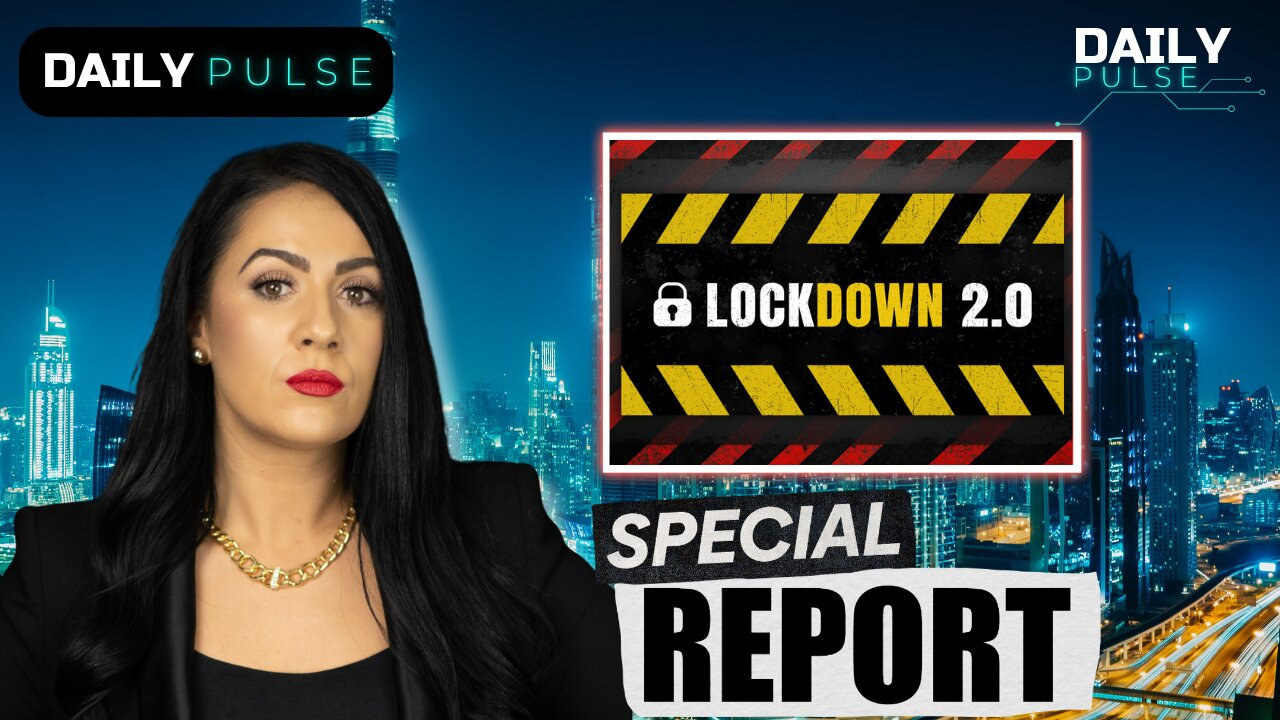
(via Red Pill Conspiracy)
More for you:




 "Dravens Tales from the Crypt" has been enchanting for over 15 years with a tasteless mixture of humor, serious journalism - for current events and unbalanced reporting in the press politics - and zombies, garnished with lots of art, entertainment and punk rock. Draven has turned his hobby into a popular brand that cannot be classified.
My blog was never designed to spread news, let alone get political, but with current affairs I just can't help but capture information here that is otherwise censored on all other channels. I am aware that the design page may not seem "serious" to many in this regard, but I will not change this to please the "mainstream". Anyone who is open to non-state-compliant information sees the content and not the packaging. I've tried enough to provide people with information over the last 2 years, but quickly noticed that it never matters how it's "packaged", but what the other person's attitude towards it is. I don't want to put honey on anyone's mouth to meet expectations in any way, so I'll keep this design because hopefully at some point I'll be able to stop making these political statements, because it's not my goal to go on like this forever  I leave it up to everyone how they deal with it. However, you are welcome to simply copy and distribute the content, my blog has always been under the WTFPL license.
It's hard for me to describe what I'm actually doing here, DravensTales has become a culture blog, music blog, shock blog, tech blog, horror blog, fun blog, a blog about found items on the internet, internet bizarre, trash blog, art blog, water heater, zeitgeist blog over the years , Scrap blog and grab bag blog called. Everything that is right ... - and yet not. The main focus of the blog is contemporary art, in the broadest sense of the word.
To ensure the continued operation of this site, you are welcome to make a donation via credit card, PayPal, Google Pay, Apple Pay, or direct debit/bank account . Many thanks to all readers and supporters of this blog!








