
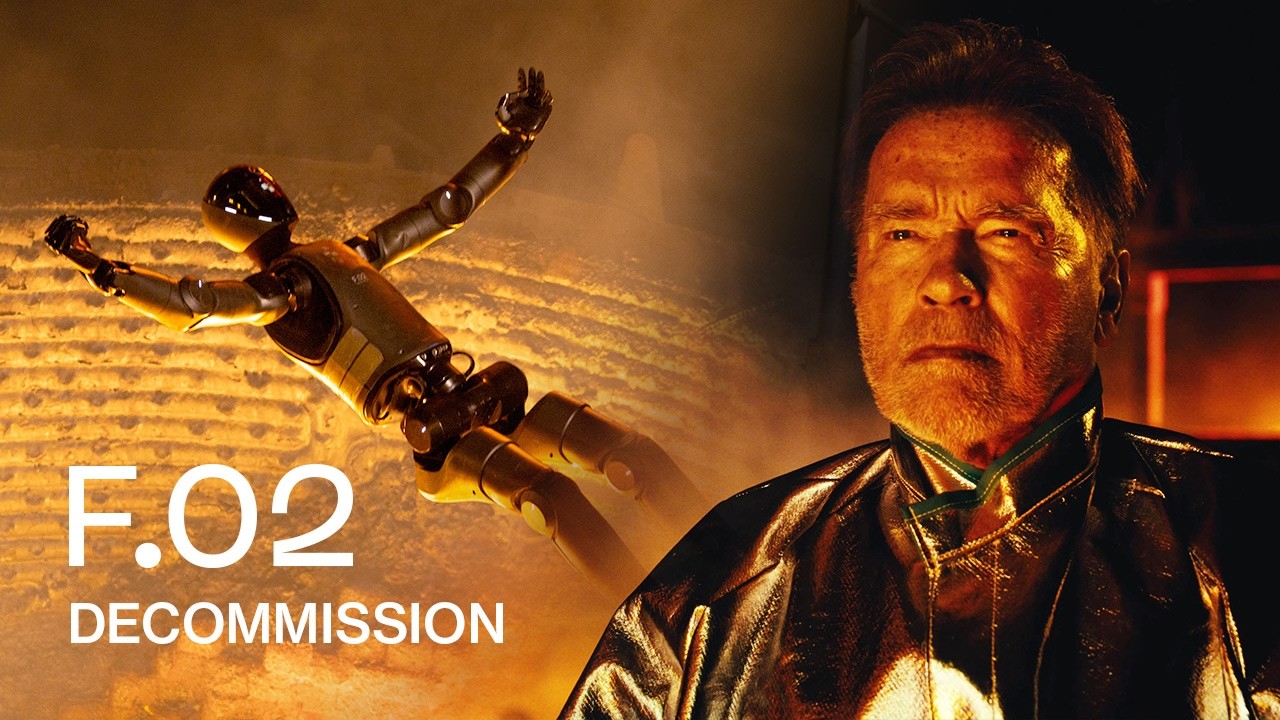
A corporation valued at $39 billion is teaching its robots to jump—into molten steel. Figure had decommissioned F.02 series humanoids leap into a 75-ton arc furnace in Imatra, Finland, some under their own power, while Arnold Schwarzenegger lowered one of them in by a chain, giving a thumbs-up. And because nobody believes a video anymore, the company solemnly swears: It's all real, nothing computer-generated. Reality now has to be authenticated like a will.
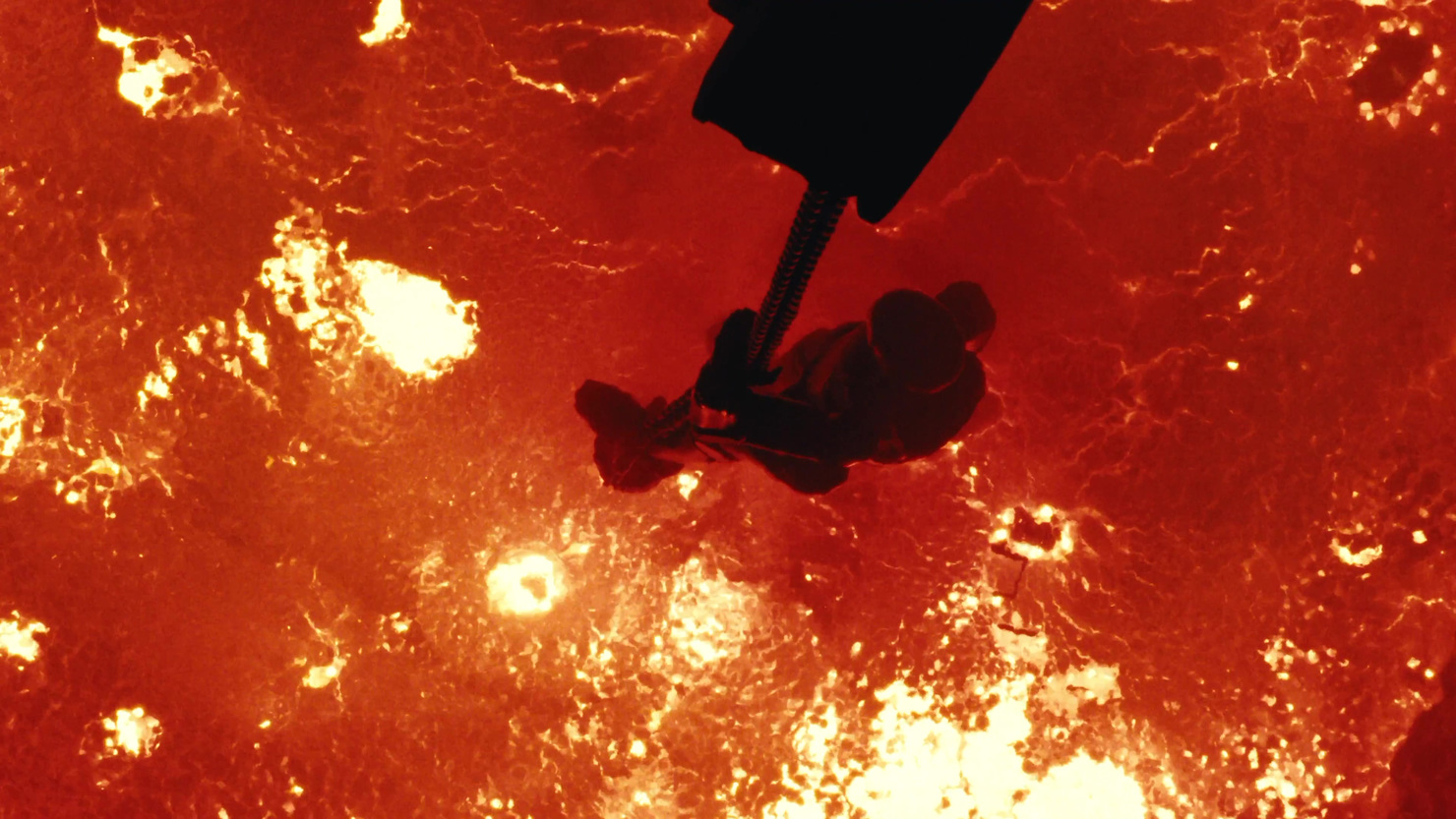
Jump training for suicide made of sheet metal
The preparation was more thorough than any retirement plan. On the company premises in San Jose, the team set up enormous air cushions and had the machines jump from the second floor. The movements of stunt performers served as a model; a specially trained AI model calculated the trajectory in a simulation, landing in a bucket no robot had ever seen. In Finland, they then had 24 hours, six melting cycles, each lasting approximately 20 minutes , before the steel formed a crust. Three powerful graphite electrodes fuel a furnace there that normally melts solid scrap steel. This time, the scrap consisted of employees of the year. Cameras and other electronics succumbed to the heat and electromagnetic field, but the condemned employees did not: according to the manufacturer, they jumped flawlessly. No hesitation, no questions asked, no works council involved. The perfect employee is the one who executes their own disposal without error.
Certified insanity
In the age of AI-generated images, Figure argues, clarity is essential: the robots were indeed trained, shipped to Finland, and made to jump into a vat of molten steel . This cannot be independently verified; the footage and the oath of authenticity both originate from the same source. Adcock had previously touted the spectacle as "stunning" and coyly referred to it as a "little detour." Ironically, an AI company has to swear that its promotional video wasn't created by AI. The industry, which floods the internet with synthetic images, is now battling the mistrust it has itself cultivated. Even the word "autonomous" deserves quotation marks. A robot that jumps after months of training makes a decision about as freely as a toaster ejecting its slice. The will to jump belonged to the advertising department. Planned obsolescence has traditionally had the decency of letting the device die quietly after the warranty expires. Figure makes it jump in front of a running camera and then sells the remains as a collector's item.
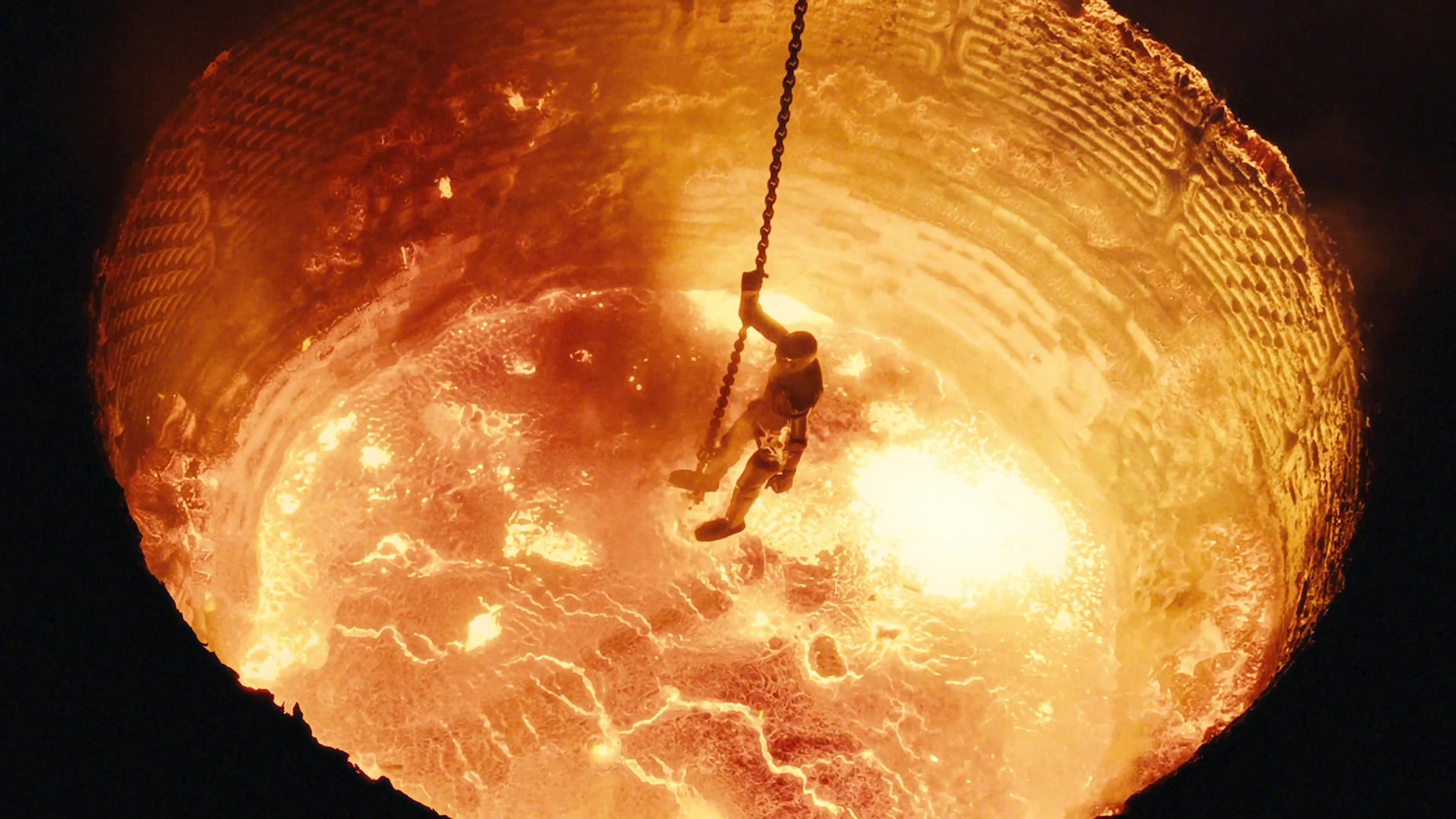
Dismantling costs money, melting sells money
The official explanation sounds like due diligence. The F.02s are packed with in-house developed propulsion systems and intellectual property. Disassembling each one individually would have kept the engineers busy for so long that the launch of its successor, the F.04, would have been delayed. CEO Brett Adcock rejected an auction for charity; the headquarters was already bursting at the seams. So he asked the internet. In his poll, 46,3 percent of 1422 participants voted for blowing them up. Schwarzenegger wrote: "You should melt them down." A multi-billion dollar corporation lets its disposal plan be dictated by the former governor of California and calls it corporate governance. No foundry in the US or Mexico wanted robots with lithium-ion batteries jumping into their expensive equipment. Not even with the help of former MythBusters could a furnace be found on their own continent. To save time, the fleet was therefore shipped across the Atlantic. Efficiency, Californian style. Anyone who prefers to blast their components into a steel bath rather than sell them reveals just how much they fear the competition.
30,000 BMWs later: Thank you and off into the embers!
The robots being scrapped had actually worked. For eleven months, F.02 stood at the BMW plant in Spartanburg, loading more than 90,000 sheet metal parts and contributing to the production of over 30,000 X3s. Ten-hour shifts from Monday to Friday, 84 seconds per cycle, over 99 percent accuracy, around 1250 operating hours. They were the first Figure robots at BMW, the first with the Helix control model, the first in the home, the first in logistics, and now, of course, the first in the furnace. The forearm proved to be the most frequent weak point; the machines returned scratched and dirty. "We love Figure 02," the company wrote in its obituary, shortly before disposing of it in the arc furnace. What happens when machines replace workers has already been formulated by AI as a funeral oration for the middle class . What's new is that the replacement is also being replaced, after eleven months and accompanied by a film score.
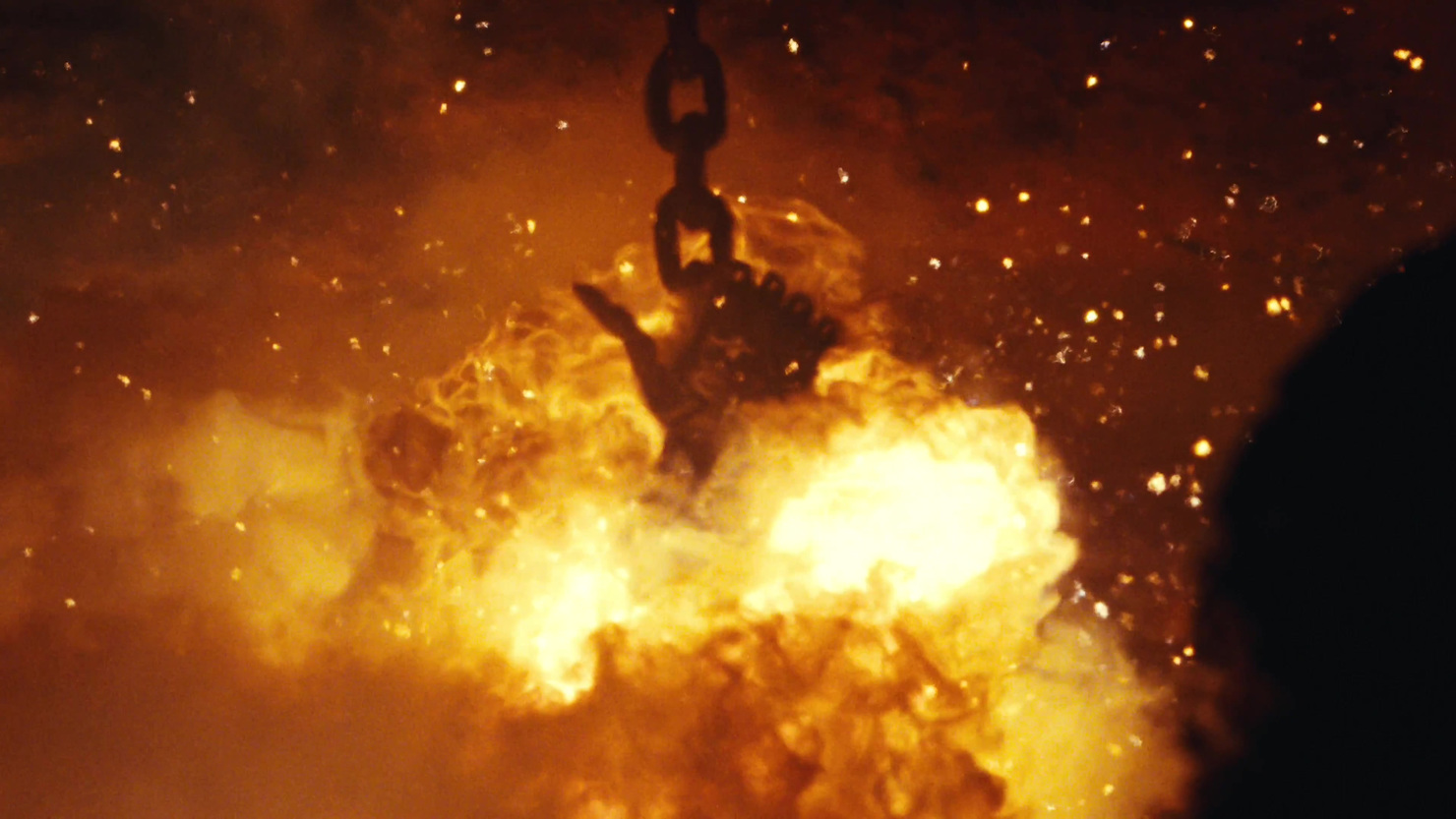
Relics available for pre-order
The molten material traveled back to the USA, where it is being milled into souvenirs. The small piece, a third of an F.02's head to scale, costs $500 in the company store ; the larger version, two-thirds the size, cost $1900 and is already sold out . At least the medieval relic trade had the decency to saw saints in half only after their natural deaths. For the human, the technocrats envision a guaranteed income of unconditional obedience ; for the decommissioned robot, a place on a collector's shelf. Which of the two has drawn the better lot remains an open question. A few F.02s, by the way, survive in the headquarters' storage facility, presumably as a silent reserve for the next farewell gala.
Hasta la vista, residual value
What happened here wasn't disposal, but a scrap-market advertising campaign where even the casting still generates a return. In 1991, the Terminator sacrificed himself on the big screen to save humanity. In 2026, his successor sacrifices himself to keep the product cycle on schedule. Schwarzenegger bid farewell to the fleet on X with "Hasta la vista, F.02," and thus the line the film dedicated to an enemy now applies to the company's most diligent employee. A corporation that teaches its machines to jump into the embers without question isn't training robots—it's training you!
More for you:





 "Dravens Tales from the Crypt" has been enchanting for over 15 years with a tasteless mixture of humor, serious journalism - for current events and unbalanced reporting in the press politics - and zombies, garnished with lots of art, entertainment and punk rock. Draven has turned his hobby into a popular brand that cannot be classified.
My blog was never designed to spread news, let alone get political, but with current affairs I just can't help but capture information here that is otherwise censored on all other channels. I am aware that the design page may not seem "serious" to many in this regard, but I will not change this to please the "mainstream". Anyone who is open to non-state-compliant information sees the content and not the packaging. I've tried enough to provide people with information over the last 2 years, but quickly noticed that it never matters how it's "packaged", but what the other person's attitude towards it is. I don't want to put honey on anyone's mouth to meet expectations in any way, so I'll keep this design because hopefully at some point I'll be able to stop making these political statements, because it's not my goal to go on like this forever  I leave it up to everyone how they deal with it. However, you are welcome to simply copy and distribute the content, my blog has always been under the WTFPL license.
It's hard for me to describe what I'm actually doing here, DravensTales has become a culture blog, music blog, shock blog, tech blog, horror blog, fun blog, a blog about found items on the internet, internet bizarre, trash blog, art blog, water heater, zeitgeist blog over the years , Scrap blog and grab bag blog called. Everything that is right ... - and yet not. The main focus of the blog is contemporary art, in the broadest sense of the word.
To ensure the continued operation of this site, you are welcome to make a donation via credit card, PayPal, Google Pay, Apple Pay, or direct debit/bank account . Many thanks to all readers and supporters of this blog!








