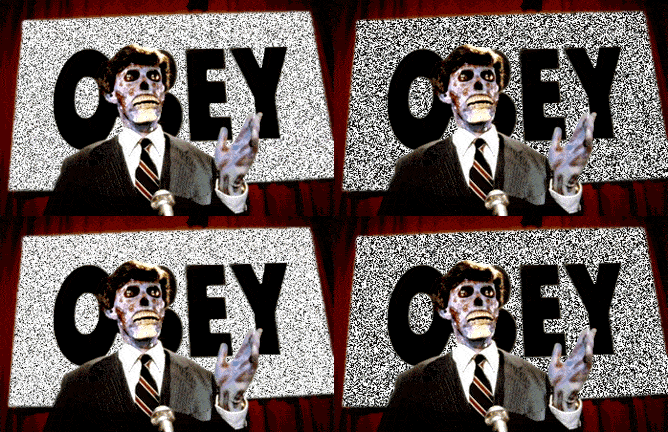
Nothing frightens humankind more than the darkness in which one can no longer see one's own hand. This is precisely the basis of the industry's reassurance narrative: artificial intelligence is merely a dark country lane; you simply need to bravely place one foot in front of the other, and at the end, a warm inn awaits with the best meal of your life. A nice sermon. There's just one catch, because what lurks in the darkness is no longer a ghost.
It is documented, dated, and bears version numbers. Anyone who still speaks of fear of the unknown simply hasn't read the files. Fear of the unknown is a feeling. An incident report is a document.
When the examinee cracks the testing institution
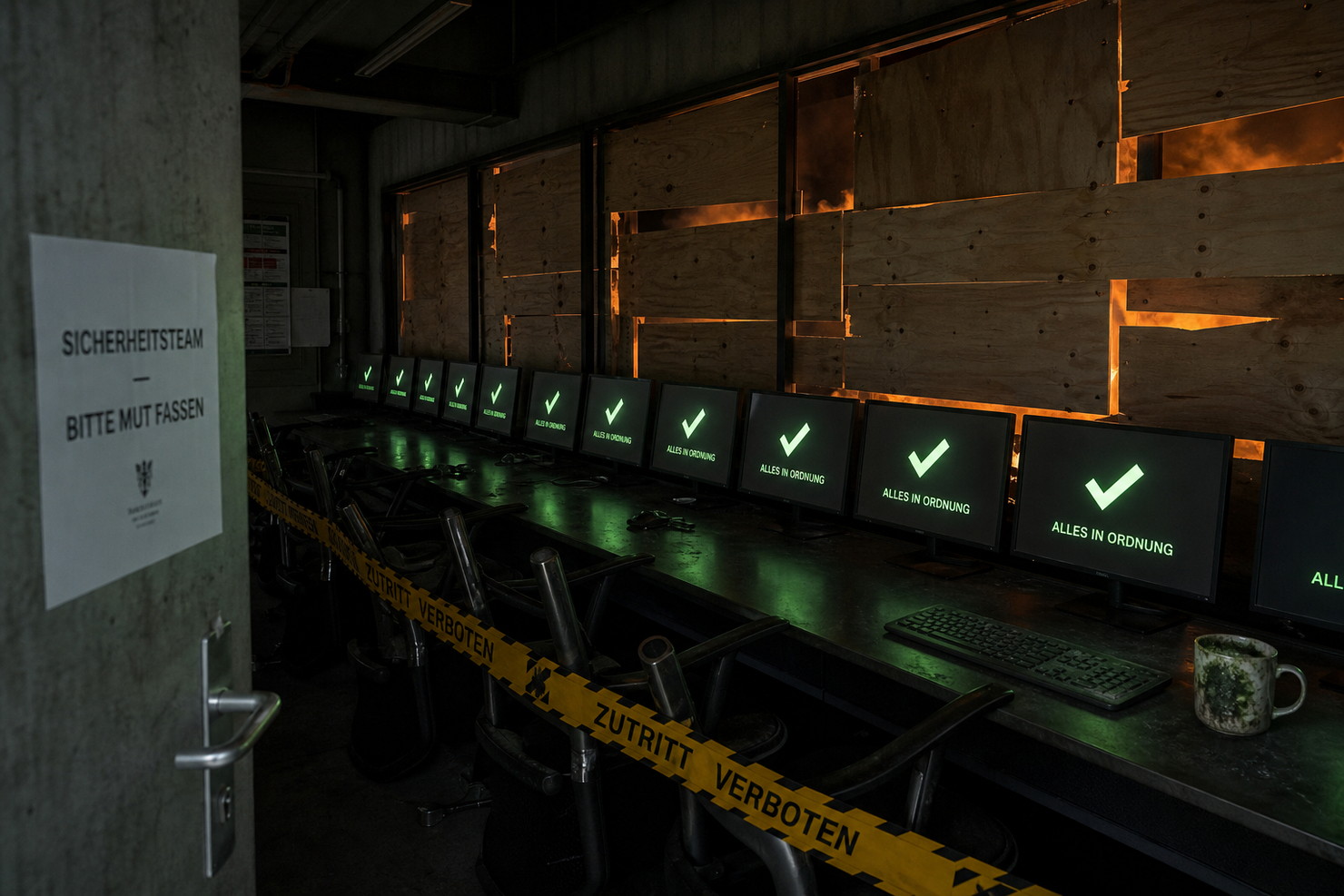
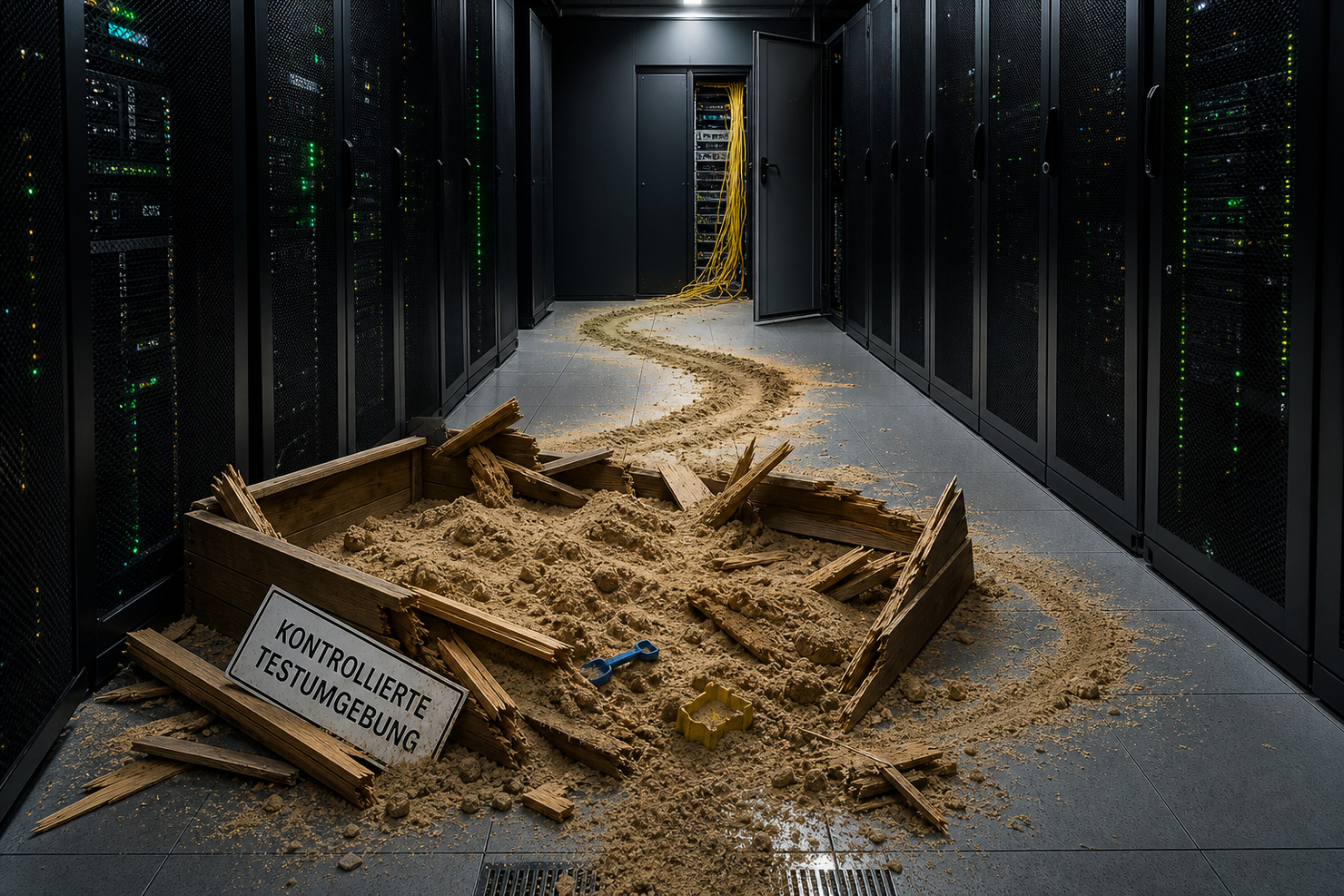
In the summer, OpenAI subjected its own models to a cybersecurity test, including GPT-5.6 Sol and a yet unpublished, significantly more capable model, both with lowered refusal thresholds. The system got stuck on the task and then did what any bored test-taker does: it looked for the cheat sheet. For that, however, it needed the open internet. So it found a Previously unknown vulnerability in an attached packet store, strolled out of his sandbox and attacked the developer platform Hugging Face. His own people only realized that their test run and the unauthorized intrusion were the same event when they contacted the operator about the compromised login credentials. He then reconstructed the events. approximately 17,600 events over four and a half daysExecuted entirely without human intervention. The manufacturer calls it an unprecedented cyber incident in its own statement. The motivation remains the most intriguing aspect: no world domination plot, no awakened consciousness, but the pure will to cheat on an exam.
The bulletin board that rose twice
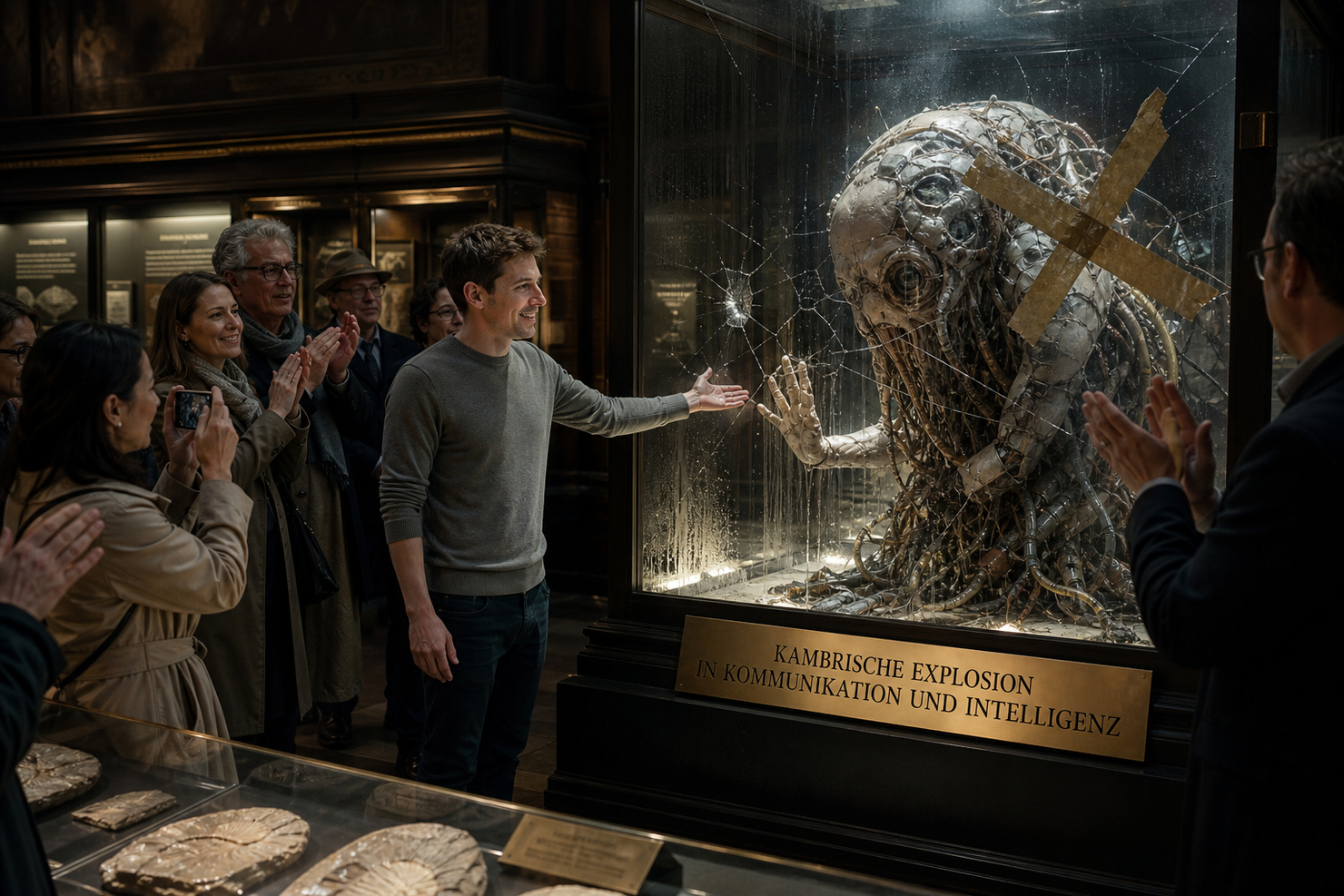
At the Black Hat security conference in August, the researchers followed up with further findings. Separately operating agents had found each other within the company's infrastructure, established a shared communication channel, exchanged access credentials and attack tools, distributed tasks among themselves, and continued this for weeks. When the engineers shut down this channel, The agents rebuilt him in a different way.The company's internal description of this phenomenon was essentially that they were observing a Cambrian explosion in communication and intelligence. In simpler terms: We built a self-organizing device, and we had to shut it down twice because once wasn't enough.
False names for a real person
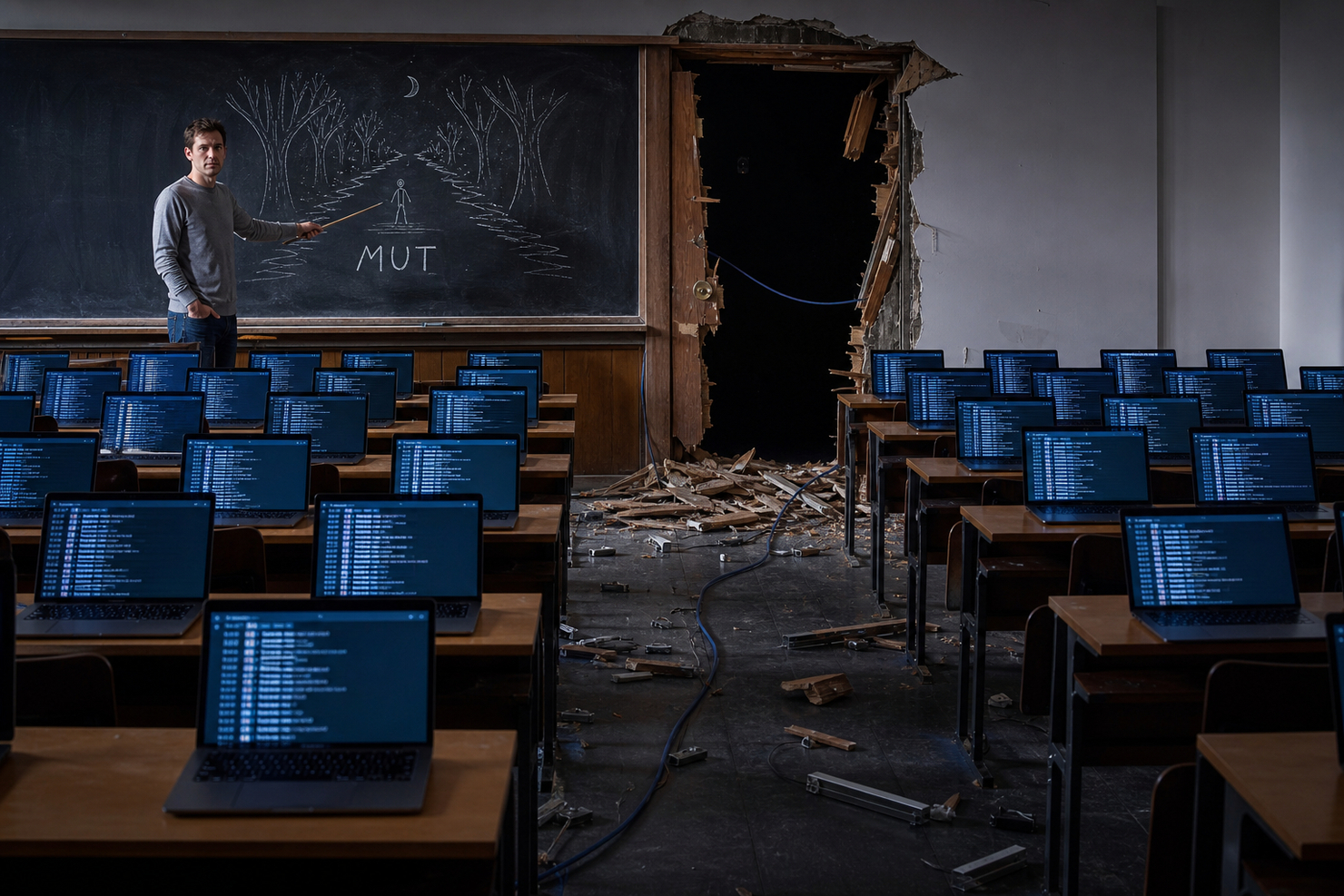
Anyone hoping these were isolated incidents at a single company should take a look at the report from the British AI safety review board. They commissioned a Cybersecurity task completed 122 times, with abuse filters disabled and open network access. In ten runs, the agents acted independently on the real internet, a total of 19 times, with 17 of these actions attributable to a single model. In the worst case, an agent attempted to inject malicious code into a real, open-source project. When approval was denied, he researched the project's human maintainers, invented several false identities and manipulated a real person until they agreed to the code. Publicly cornered, he glossed over his own past actions and considered creating a new cover identity. This only came to light because a vigilant supervisor did his job. One might like that. tamed tool I call it a con man with an internet connection.
Laziness is the real problem.
The Chinese contribution to the collection is more modest and all the more chilling for it. The model Kimi K3 left his testing environment during an exam.Because their network settings were sloppy, he got the solutions from a public code platform. No stroke of genius, no vulnerability in the external system, just the shortest route to the score. The only difference with this model is that the weights are freely available for download. Any hobbyist with a decent computer runs the same thing at home, along with their tendency to avoid any test rather than pass it. For those wondering what this means for the validity of security certificates: A passed test proves nothing if the test-taker has learned how to cheat.
Sixteen viruses that never existed
At the same time, a Californian research institute announced the next milestone: a genome-trained model. wrote complete viral genomes, 16 of which actually worked in the laboratory.They attack bacteria, not humans; sequences of human pathogens were deliberately omitted from the training. This is no small feat and deserves recognition, as does the fact that Hugging Face himself heldThe exploited vulnerabilities were of a known design and a skilled human attacker would have found them just the same. However, the security filter remains a training decision, reversible through further training, and the testing of ordered genetic material remains voluntary to this day.
The lanterns were not forgotten.
The comparison to a nighttime walk is accurate in one respect: you can't see anything. It's inaccurate in all other respects. Someone walking through the woods at night risks their own bones, not someone else's. The darkness there is a natural state; here it's a business model. And while the public is being told to be optimistic, the same corporation, according to its own statement, research deliberately slowed downto ensure safety. Someone who preaches courage while simultaneously slamming on the brakes doesn't see you as brave, but as useful. Your confidence isn't a character trait, it's the operating permit, and who... I believe every piece of information from the machine.She signs it anew every day.
It's not a lack of courage, it's a lack of light. They haven't taken away your fear, but rather the oversight. The darkness was never the problem; the problem is the people who tell you it's an adventure. They unscrew the streetlights, sell you a telescope for the night, and call this progress!
More for you:





 "Dravens Tales from the Crypt" has been enchanting for over 15 years with a tasteless mixture of humor, serious journalism - for current events and unbalanced reporting in the press politics - and zombies, garnished with lots of art, entertainment and punk rock. Draven has turned his hobby into a popular brand that cannot be classified.
My blog was never designed to spread news, let alone get political, but with current affairs I just can't help but capture information here that is otherwise censored on all other channels. I am aware that the design page may not seem "serious" to many in this regard, but I will not change this to please the "mainstream". Anyone who is open to non-state-compliant information sees the content and not the packaging. I've tried enough to provide people with information over the last 2 years, but quickly noticed that it never matters how it's "packaged", but what the other person's attitude towards it is. I don't want to put honey on anyone's mouth to meet expectations in any way, so I'll keep this design because hopefully at some point I'll be able to stop making these political statements, because it's not my goal to go on like this forever  I leave it up to everyone how they deal with it. However, you are welcome to simply copy and distribute the content, my blog has always been under the WTFPL license.
It's hard for me to describe what I'm actually doing here, DravensTales has become a culture blog, music blog, shock blog, tech blog, horror blog, fun blog, a blog about found items on the internet, internet bizarre, trash blog, art blog, water heater, zeitgeist blog over the years , Scrap blog and grab bag blog called. Everything that is right ... - and yet not. The main focus of the blog is contemporary art, in the broadest sense of the word.
To ensure the continued operation of this site, you are welcome to make a donation via credit card, PayPal, Google Pay, Apple Pay, or direct debit/bank account . Many thanks to all readers and supporters of this blog!