
Politicians have discovered food. Not as a basic necessity, not as a matter of security, but as a cash cow and a stage for moralizing. In Berlin, a "health tax" is being drafted that even taxes drinks without a single gram of sugar, and whose proceeds will not go towards prevention but straight into the budget deficit. Meanwhile, in Bern, the people are voting on an initiative that aims to enshrine food security in the constitution. Two countries, two rituals, one thing in common: it's never about your plate. It's about the purse strings, control, and the spectacle.
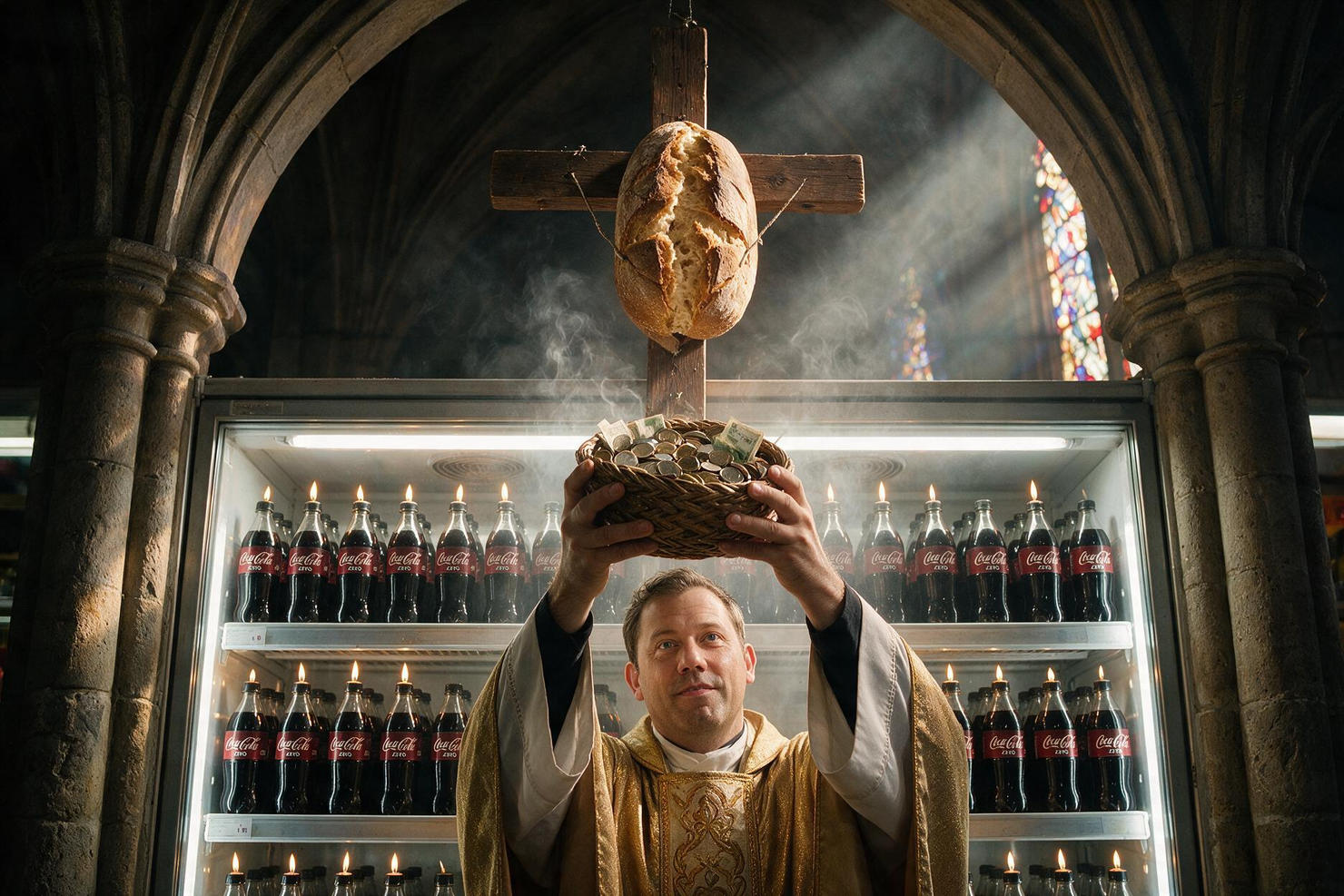
The tax says health and the cash register means
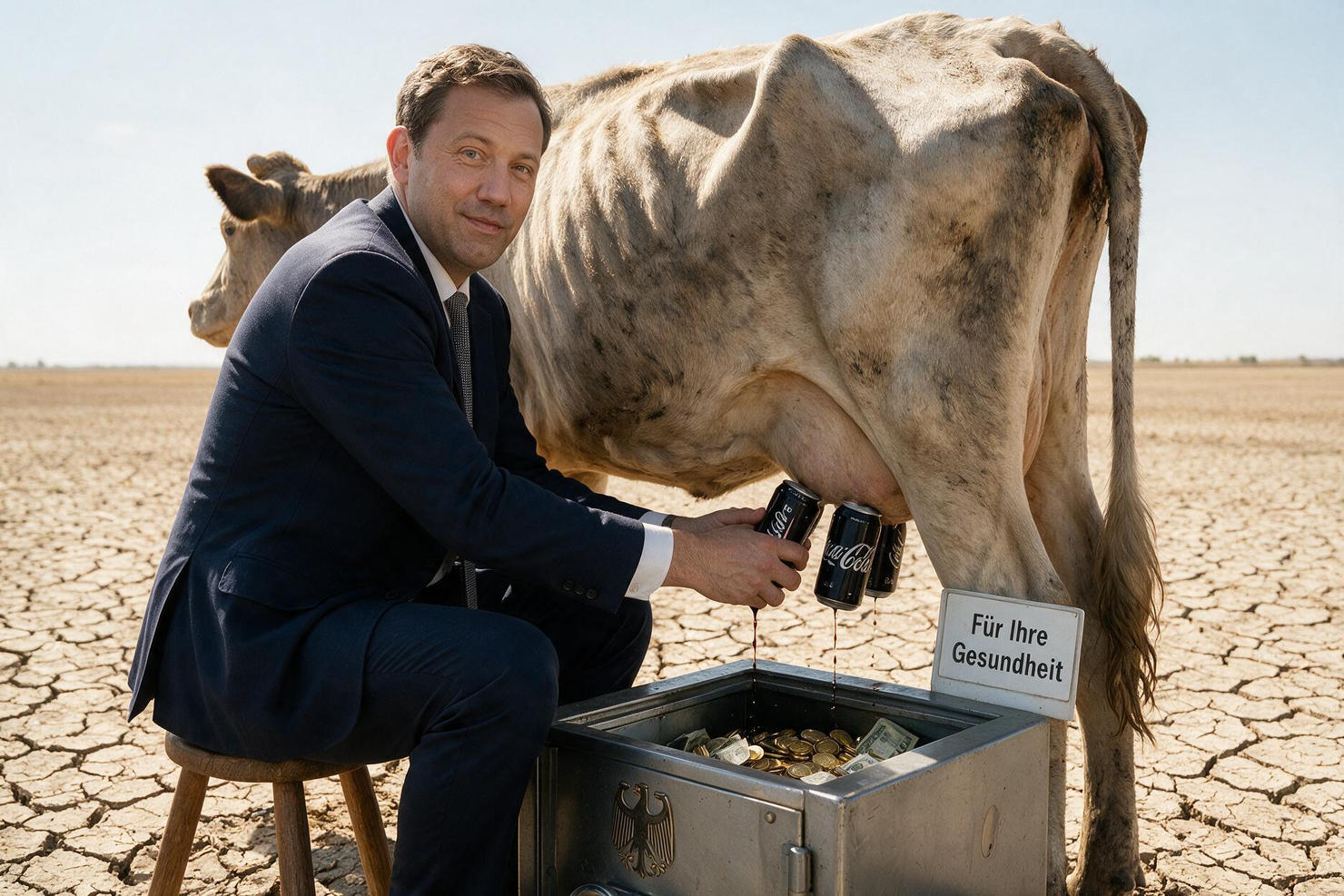
The Federal Ministry of Finance under Lars Klingbeil has presented a policy paper outlining key points, according to which, in addition to soft drinks, also Juices, milk drinks, iced teas, beer mixes, oat drinks and instant coffees These are supposed to fall under the new sugar tax. The real kicker is in the details: Beverages containing sweeteners are also explicitly to be taxed, i.e. Zero products without any sugarA sugar tax on sugar-free products. That's roughly equivalent to taxing non-smokers on tobacco simply because they could theoretically smoke. Anyone who still believed this was about public health can read in the same document that, in addition to its regulatory effect, the tax explicitly "Generate revenue for the federal budget" is supposed to, and according to the plans no longer earmarked for a specific purpose The money flows into the healthcare system. Prevention was yesterday's news; today, the budget gap is being plugged with Coke Zero. And because the gap is urgent, the tax is to be increased immediately. to arrive a year earlier than planned, while consumer advocates are unsuccessfully demanding that the money at least be invested in preventative programs for children. To be fair, a majority of Germans support this, according to a Forsa survey Government measures against sugary drinks; 60 percent even support a tax. However, those surveyed were probably thinking about children's health and not that even their own The Ministry of Agriculture attests to the Finance Minister's positionHis paper goes far beyond the recommendations of the appointed health commission. If even the coalition partner smells a rat, then it smells strongly of fraud.
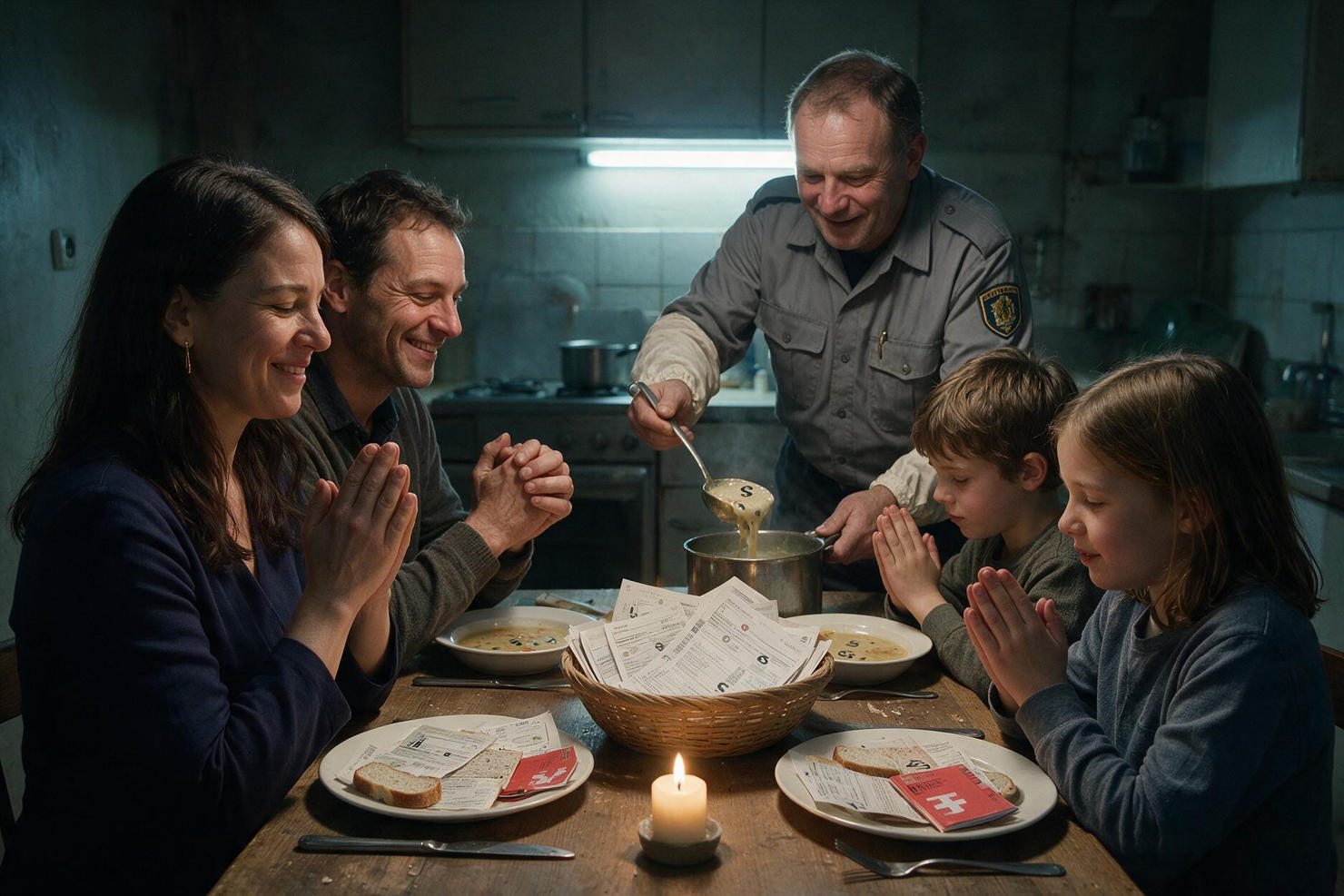
The initiative decrees security and ignores reality
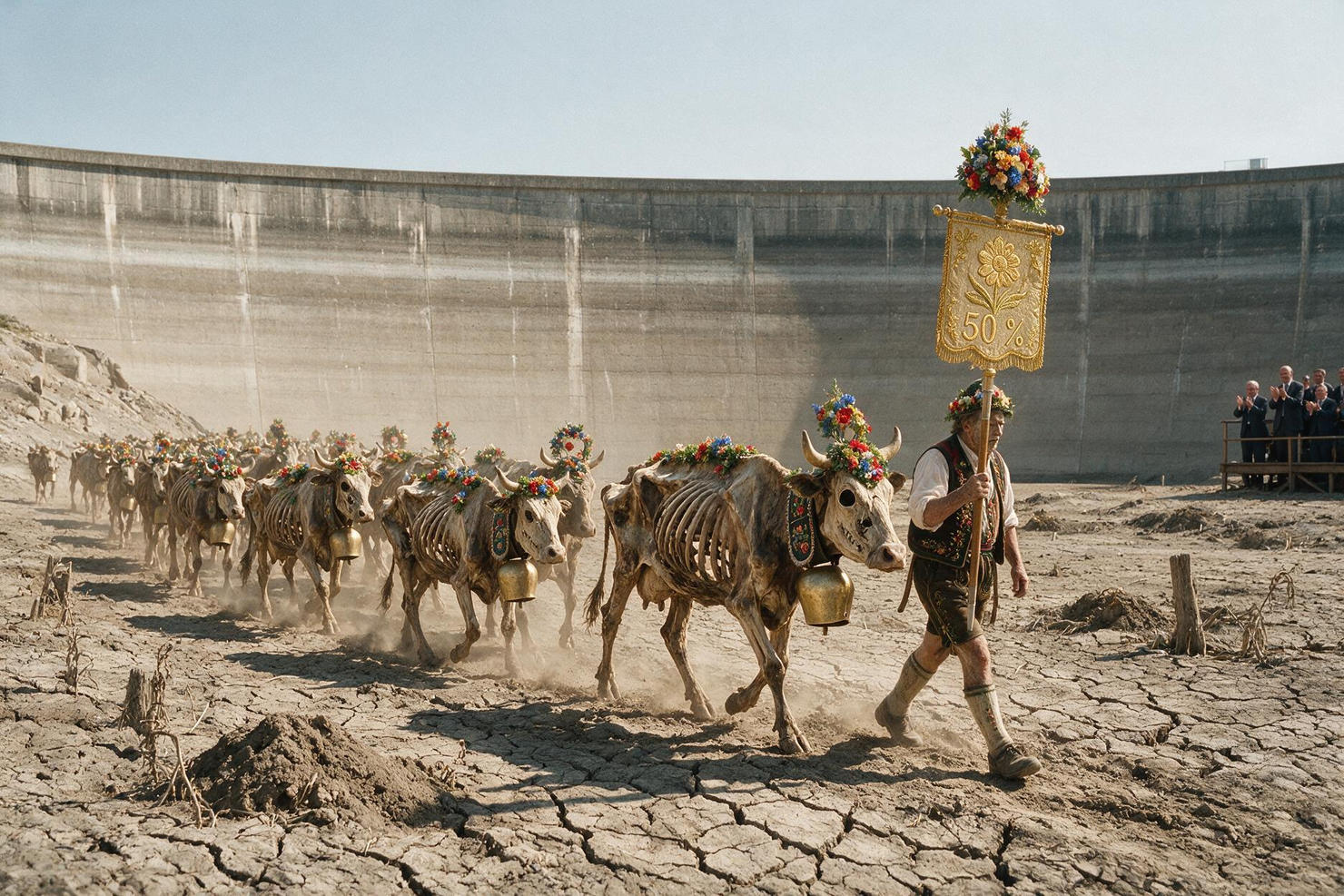
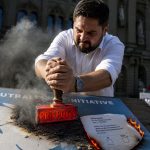
Switzerland is playing the same game with a different set. On September 27th, the food initiative will go to a vote, aiming to reduce the self-sufficiency rate within ten years. approximately 42 to at least 70 percent The net figure means that the imported feed for the domestic animals is already factored in, because Swiss cows eat far more globally than their advertising posters claim. The underlying concern isn't foolish; the initiators' diagnosis is spot on: Switzerland has No national water strategy and an agricultural sector that is poorly prepared for climate change.However, a structural question cannot be answered with a percentage in the constitution. Federal Councillor Parmelin calls the goal "Too much too fast", The Federal Council, Parliament and even the major environmental organizations are waving it off. And the government, as a counter-proposal, is pushing for a 50 percent target, for which it is comfortably allowing itself until 2050. Meanwhile, the electorate is divided: The first SRG survey The results show a practical stalemate of 49 to 47 percent. There they stand, the two camps: one wants food sovereignty by decree in ten years, the other manages the status quo in slow motion, and both sell you paper as bread. A constitutional amendment hasn't kept a single drop of rain in the ground.
Things that nobody touches because they don't generate any revenue
The true nature of food security has long been established, and it has nothing to do with beverage levies or quotas. Humus-rich soils They store water, protect against erosion, and nourish soil life., which is what creates fertility in the first place. Agroforestry systems, i.e., trees and hedges between crops, are considered by researchers to be Climate adaptation strategy that regenerates soil, water and biodiversity simultaneously.
Four decades of long-term trials prove that soil-conserving farming promotes soil fertility and biodiversity without ruining yields. A landscape that retains water instead of channeling it into concrete canals mitigates heat, replenishes groundwater, and withstands extreme weather events, which are inevitable regardless of whether Berlin taxes oat drinks or not. This includes farms that propagate their own seeds, generate their energy locally, and process and sell their produce regionally, ensuring the supply chain doesn't break down if a canal is blocked or a regime is sanctioned. This very dependence on fragile global supply chains isn't an accident, but a government program by design . And those who relinquish their seeds get them back as a patented act of charity , complete with licensing fees and fine print.
Conclusion: Those who regulate it don't care about the plate.
None of this appears in the policy papers. No wonder: Soil that stores water doesn't generate revenue for the federal budget. A hedge can't be taxed, a regional farm doesn't produce a press conference, and an independent farmer doesn't need a subsidy notice with a minister's logo. So, instead, they prefer to tinker with the refrigerated section, where the headlines are cheap and the taxes rake in. The truth is as simple as it is inconvenient: A region that can feed its people on its own is every central administration's nightmare, because it can neither be blackmailed nor controlled by decree. That's why you get taxes on sugar-free products instead of fertile soil, percentage targets instead of water-retaining landscapes, and constitutional rhetoric instead of farms that deliver even when the world is in crisis. They tax the symptoms, subsidize the causes, and call this "food policy"! Anyone who wants food security won't find it in tax laws, but in the soil beneath their feet! And as long as politicians prioritize making money over cultivating soil, only one question remains: Who will feed you when their paper is gone?
More for you:




 "Dravens Tales from the Crypt" has been enchanting for over 15 years with a tasteless mixture of humor, serious journalism - for current events and unbalanced reporting in the press politics - and zombies, garnished with lots of art, entertainment and punk rock. Draven has turned his hobby into a popular brand that cannot be classified.
My blog was never designed to spread news, let alone get political, but with current affairs I just can't help but capture information here that is otherwise censored on all other channels. I am aware that the design page may not seem "serious" to many in this regard, but I will not change this to please the "mainstream". Anyone who is open to non-state-compliant information sees the content and not the packaging. I've tried enough to provide people with information over the last 2 years, but quickly noticed that it never matters how it's "packaged", but what the other person's attitude towards it is. I don't want to put honey on anyone's mouth to meet expectations in any way, so I'll keep this design because hopefully at some point I'll be able to stop making these political statements, because it's not my goal to go on like this forever  I leave it up to everyone how they deal with it. However, you are welcome to simply copy and distribute the content, my blog has always been under the WTFPL license.
It's hard for me to describe what I'm actually doing here, DravensTales has become a culture blog, music blog, shock blog, tech blog, horror blog, fun blog, a blog about found items on the internet, internet bizarre, trash blog, art blog, water heater, zeitgeist blog over the years , Scrap blog and grab bag blog called. Everything that is right ... - and yet not. The main focus of the blog is contemporary art, in the broadest sense of the word.
To ensure the continued operation of this site, you are welcome to make a donation via credit card, PayPal, Google Pay, Apple Pay, or direct debit/bank account . Many thanks to all readers and supporters of this blog!








