
On Spain's opt-out system, the economics of dying, and a society that forgets its duty to protect—but keeps transplant waiting lists. Noelia Castillo Ramos is dead. 25 years old. Victim of a gang rape in a state institution that was supposed to protect her. Paralyzed from the waist down after a suicide attempt. Chronic pain. No perpetrator convicted. No investigator held accountable. And then—in a country that has legalized assisted suicide since 2021—an approved euthanasia. Followed by organ harvesting. Legal. Documented. System-compliant. This is the story no one wants to talk about. Not because it's made up—but because it's true, and because the truth describes the system, not a systemic failure.
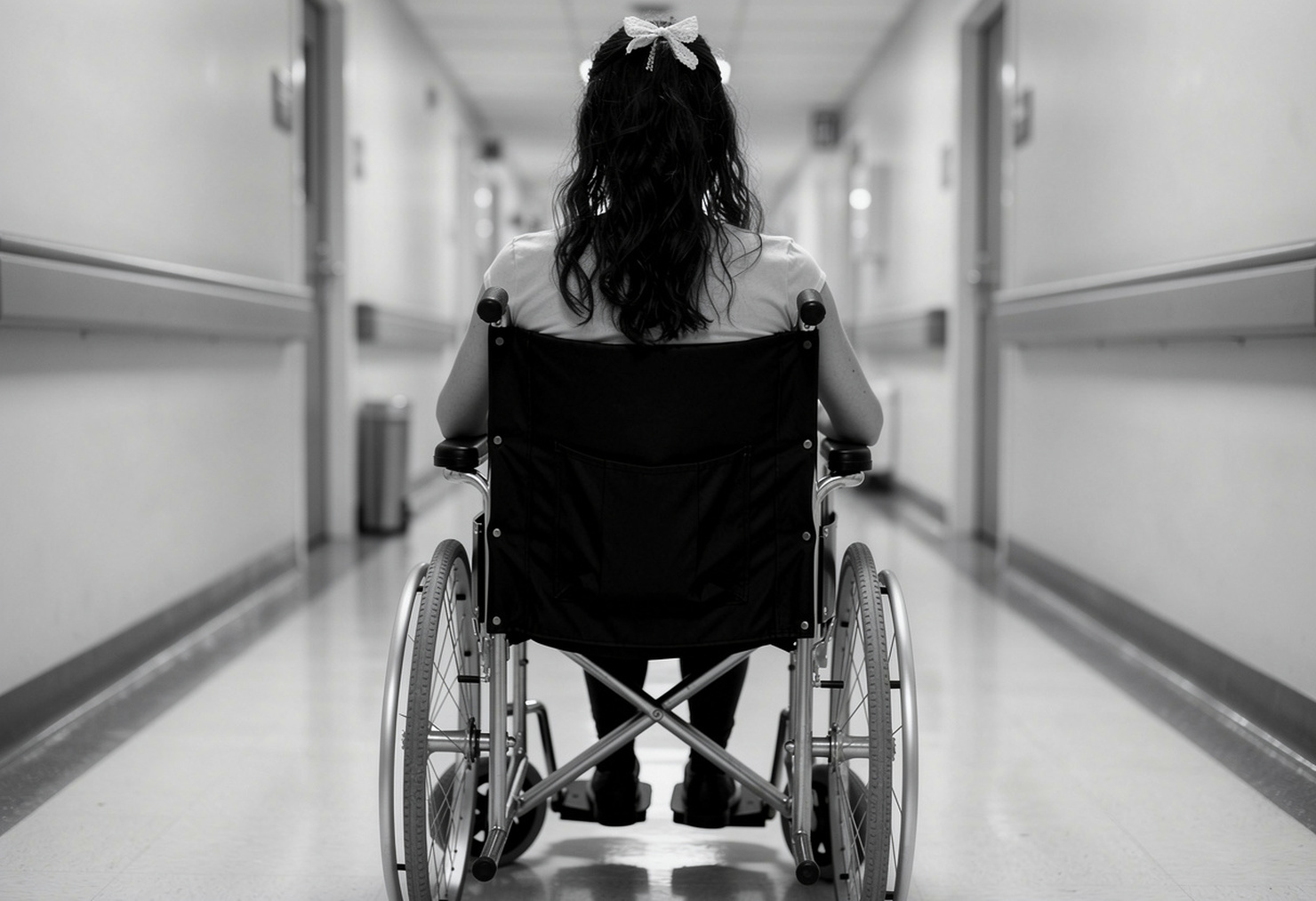
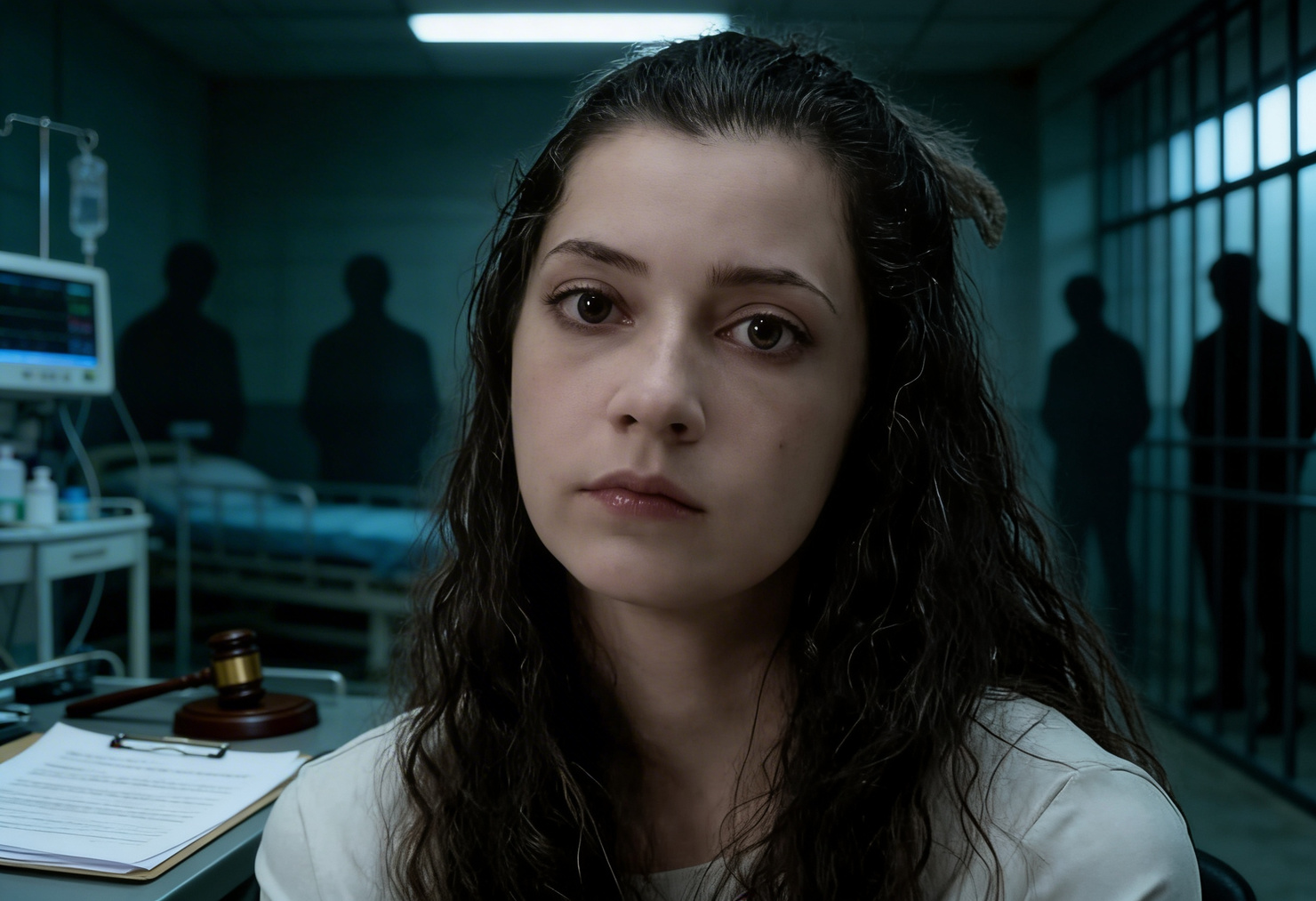
In 2022, 25-year-old Noelia Castillo Ramos, a Spaniard, was gang-raped by Moroccans in a state-run facility and subsequently developed severe mental health problems. Following a drug-induced suicide attempt, she was left partially paralyzed from the waist down. Due to her ongoing suffering, she applied for assisted suicide under Spanish law in 2024. Despite legal challenges from her parents and the fact that Castillo's mental state was so fragile that she was incapable of making an independent decision about her own death, Spanish courts and the European Court of Human Rights ruled that the euthanasia could be carried out. The authorities had failed to protect her and thus enabled her death, while the perpetrators were never held accountable.
The opt-out principle and its silent consequence
Spain has one of the world's most active organ donation systems. The reason is legal: anyone who doesn't explicitly opt out is automatically considered a donor. The opt-out principle. It sounds efficient. And it is—for transplant waiting lists. What it means for the individual is another question, one that is rarely asked aloud. Normally, someone dies from an illness or an accident. The organs are removed. That's the consensus on which the system is based. In the case of euthanasia, the situation is different. Death isn't passively determined—it's actively induced. The problem is that the organs, meaning the body, must still be alive in order for the organs to be donated. 25-year-old Noelia was still alive when she was taken to an operating room where her still-beating heart, liver, kidneys, lungs, and all other usable organs were removed. Their resale value was over 2 million euros.
In Spain, it has been possible for several years to combine euthanasia with subsequent organ donation. This is legal. This is regulated. This is part of a protocol. The ethical question this protocol raises is that of incentive.
When organs are allocated before someone dies
The report on Noelia's case contains a statement that deserves more attention than it has received: The mother was told it was too late for interventions, as Noelia's organs had already been "given away." Given away. Before she had died.
This means that sometime before their death, their organs were registered in the system, allocated, and reserved for recipients. This is the result of a logistics system that works – precisely, efficiently, with long waiting lists that need to be managed.
But it also means that the point of no return wasn't Noelia's last will and testament. It was the organ allocation process. From the moment her organs were reserved in the system, her death was no longer just her personal decision—it was part of a medical supply chain. This isn't a criticism of the doctors who wanted to save lives. It's a question for the system that organizes this supply chain.
The economics of the human body
Organs have a market value. That's a medical reality, not a conspiracy theory. Kidneys, liver, heart, lungs – in a functioning transplant system, these organs aren't sold, but their value is real, their distribution is regulated, and demand significantly exceeds supply. What does this mean in a society that has legalized euthanasia while simultaneously operating an opt-out system for organ donation?
It means that young, healthy people—who choose death as a release after severe trauma—become a special resource in this logic. Their organs are young. Their organs are functional. Their organs are valuable. This says nothing about the intentions of the treating physicians. It says everything about the structure in which they operate.
What the state owes – and what it has delivered
Noelia Castillo Ramos has been under state care since childhood. The state did not protect her. The state did not convict the perpetrators. The state closed the investigation.
And then that same state approved her death. Legally. Documented. With organ harvesting.
This is no coincidence. It is the result of a system that fails in its duty to protect and functions effectively when it serves profit. The European Court of Human Rights approved Noelia's euthanasia – despite doubts about her mental capacity, despite the family's resistance, despite the question of whether a woman suffering chronically after trauma and a suicide attempt can exercise free will regarding her death.
This question should have been addressed by the court. It was – and the answer was: Yes, euthanasia is permissible.
The real debate isn't taking place.
The debate surrounding assisted suicide usually revolves around the right to one's own death. This is a legitimate debate with genuine ethical substance. What it rarely includes is the question of structural incentives. It explores the moment when a legal system that permits assisted suicide and an organ system dependent on availability intersect—and what dynamics arise from this intersection. Noelia's case is not an answer to this question. It is the question itself—posed with a clarity that no one should ignore.
The state did not protect them.
The state did not punish the perpetrators.
The state has approved her death.
And the organs had long since been sold…
More for you:






 "Dravens Tales from the Crypt" has been enchanting for over 15 years with a tasteless mixture of humor, serious journalism - for current events and unbalanced reporting in the press politics - and zombies, garnished with lots of art, entertainment and punk rock. Draven has turned his hobby into a popular brand that cannot be classified.
My blog was never designed to spread news, let alone get political, but with current affairs I just can't help but capture information here that is otherwise censored on all other channels. I am aware that the design page may not seem "serious" to many in this regard, but I will not change this to please the "mainstream". Anyone who is open to non-state-compliant information sees the content and not the packaging. I've tried enough to provide people with information over the last 2 years, but quickly noticed that it never matters how it's "packaged", but what the other person's attitude towards it is. I don't want to put honey on anyone's mouth to meet expectations in any way, so I'll keep this design because hopefully at some point I'll be able to stop making these political statements, because it's not my goal to go on like this forever  I leave it up to everyone how they deal with it. However, you are welcome to simply copy and distribute the content, my blog has always been under the WTFPL license.
It's hard for me to describe what I'm actually doing here, DravensTales has become a culture blog, music blog, shock blog, tech blog, horror blog, fun blog, a blog about found items on the internet, internet bizarre, trash blog, art blog, water heater, zeitgeist blog over the years , Scrap blog and grab bag blog called. Everything that is right ... - and yet not. The main focus of the blog is contemporary art, in the broadest sense of the word.
To ensure the continued operation of this site, you are welcome to make a donation via credit card, PayPal, Google Pay, Apple Pay, or direct debit/bank account . Many thanks to all readers and supporters of this blog!








